
(248) 297-3485

(248) 297-3485

When to Get Gutters Cleaned: Key Signs and Seasonal Tips

When to Get Gutters Cleaned | Totally Maintained

Maintaining your gutters is a crucial aspect of home care that many homeowners overlook. Cleaning your gutters should be done at least twice a year, ideally in the spring and fall, to prevent clogs and potential damage to your home. Neglecting this simple task can lead to severe issues such as roof damage, mold growth, and pest infestations.

Timing your gutter cleaning can save you from costly repairs in the long run. After heavy storms or during times when trees shed leaves, it’s essential to inspect and clean your gutters. By prioritizing this maintenance, you protect your home and ensure that your gutter system functions efficiently.

Don’t wait until a problem arises to address your gutters. Regular cleaning not only enhances your home’s appearance but also extends the lifespan of your gutter system, making it an integral part of your home maintenance routine.

Understanding the Importance of Gutter Cleaning

Keeping your gutters clean is crucial for protecting your home. Clogged gutters can lead to significant water damage. When water overflows, it may seep into your foundation, causing structural issues.

Benefits of Regular Gutter Cleaning:

  • Prevent Water Damage: Clean gutters direct water away from your home, reducing the risk of leaks and mold.
  • Avoid Foundation Damage: Water pooling around your foundation can cause cracks and settling. Keeping gutters clear minimizes this risk.
  • Prevent Clogged Gutters: Regular cleaning stops debris buildup, ensuring your drainage system functions smoothly.

If your gutters sag, this could indicate excess weight from trapped debris. Sagging gutters are inefficient and may break, exacerbating water damage problems.

Signs You Need Gutter Cleaning:

  • Water overflowing during rain.
  • Visible debris accumulation.
  • Sagging or misaligned gutters.

Staying proactive with gutter maintenance will help you avoid costly repairs. Regular upkeep ensures these systems effectively protect your home from the elements.

How Often to Clean Gutters

Regular gutter maintenance is essential for your home’s well-being. Generally, you should aim to clean your gutters at least twice a year. Spring and fall are ideal times for this maintenance.

Spring Cleaning:

  • Remove debris from winter storms.
  • Clear out leaves that fell during the autumn.
  • Inspect for any damage caused by snow or ice.

Fall Cleaning:

  • Clear out leaves before winter.
  • Check for clogs to ensure proper drainage during snowmelt.
  • Prevent water damage that can occur if gutters overflow.

In places with heavy tree cover, consider cleaning your gutters more frequently. You may need to do it three to four times a year.

After storms, always inspect your gutters for debris or blockages. Regularly cleaned gutters help prevent costly water damage to your roof, siding, and foundation.

Using gutter guards can also help reduce the frequency of cleaning. They prevent large debris from entering the system but don’t completely eliminate the need for maintenance.

Maintaining clean gutters enhances their lifespan and effectiveness, ensuring that your home remains protected from moisture-related issues.

Identifying the Best Time for Gutter Cleaning

Timing is crucial for effective gutter maintenance. Understanding the factors that affect cleaning schedules and considering seasonal changes can help you prevent gutter clogs and maintain your home effectively.

Factors Affecting Cleaning Schedules

Several factors can impact your gutter cleaning schedule. The type of vegetation around your home is a significant consideration. If you have many deciduous trees, you may need to clean your gutters more frequently in the fall when leaves drop.

Additionally, your local climate affects how often you should clean your gutters. In areas with heavy rainfall or intense storms, debris can accumulate quickly, necessitating more frequent cleanings.

Pay attention to how well your gutters are functioning. If you notice water overflow or clogs, it may indicate that it’s time for maintenance. Regular inspections and keeping an eye on your gutter’s performance can help determine the best cleaning schedule for your needs.

Seasonal Considerations

Seasonal changes play a vital role in gutter maintenance. The best time to clean gutters is generally in early spring and late fall.

In the spring, melting snow and rainfall can lead to excessive debris buildup. Cleaning at this time helps prepare your gutters for summer storms.

In the fall, cleaning removes leaves and twigs before they become soggy and cause blockages. Targeting these two seasons can prevent gutter clogs and extend the lifespan of your gutter system.

By aligning your cleaning schedule with seasonal changes, you can maintain optimal function and protect your home from water damage.

Choosing Gutter Cleaning Methods

When it comes to gutter cleaning, selecting the right method can make a significant difference in the efficiency and effectiveness of the job. You can choose between DIY options or hire professional services, each with its pros and cons. Understanding the tools and techniques available will help you make an informed decision tailored to your situation.

DIY vs. Professional Gutter Cleaning

DIY gutter cleaning can be cost-effective, allowing you to maintain your gutters without spending on services. Using a simple garden hose with a nozzle attachment allows you to flush out debris effectively. A wet/dry vacuum can also be useful for removing leaves and dirt without climbing on a ladder.

However, professional gutter cleaning services offer expertise and safety. Professionals are trained to handle heights, utilize advanced tools, and remove stubborn blockages. If your home is multi-storied or the gutters are particularly clogged or in poor condition, hiring a service may be the best way to clean gutters safely and thoroughly.

Effective Tools and Techniques

Utilizing the right tools can optimize gutter cleaning, whether you choose a DIY approach or go with professionals. For DIY cleaning, basic tools include:

  • Garden Hose: Excellent for rinsing out debris.
  • Wet/Dry Vacuum: Suitable for effectively removing leaves and gunk.
  • Ladder: Necessary for reaching high gutters safely.

For professionals, equipment often includes pressure washers that remove debris quickly and easily. Some services also utilize specialized brushes and vacuum systems designed for gutters.

Understanding the methods available allows you to assess which best fits your needs, time, and budget. Choose wisely to ensure your gutters are clear and functioning optimally.

Preventative Measures and Long-Term Care

Regular gutter maintenance is essential in preventing issues such as blocked gutters. Schedule inspections at least twice a year, ideally in spring and fall, to catch any problems early.

Consider installing gutter guards. They help reduce debris buildup and make cleaning easier. With gutter guards, you can minimize the frequency of cleanings.

Be attentive to the signs of water overflow. If you notice water spilling over, it may indicate blockages or inadequate drainage. Promptly address these issues to protect your home.

In addition to gutters, don’t overlook the importance of a roof inspection. Ensure that the roof is in good condition to prevent water damage that could affect your gutters. A well-maintained roof helps keep water directed away from your home.

Evaluate your landscape, too. Overhanging branches and nearby plants can contribute to gutter debris. Regularly trim trees to limit the amount of organic material that may fall into your gutters.

If you live in an area prone to heavy storms, increase the frequency of your inspections. After major storms, check for any damage or debris that may need immediate attention.

Implementing these preventive measures can prolong the life of your gutters and protect your property’s foundation. Regular upkeep not only saves you money but also ensures your home remains safe and dry.

Frequently Asked Questions

Cleaning your gutters is essential to prevent water damage and other issues. Understanding the specific circumstances surrounding your home can help determine the best practices for maintenance.

How often should gutters be cleaned in an area with few or no trees?

In areas with few or no trees, you should clean your gutters at least twice a year. Spring and fall are typically suitable times, as they coincide with seasonal weather changes. Regular checks will help ensure they remain free of debris.

What is the recommended frequency for cleaning gutters equipped with guards?

Gutters with guards generally require less frequent cleaning, often once a year. However, it’s wise to inspect them periodically, as guards can sometimes fail or allow smaller debris to accumulate. The environment around your home plays a role in determining the appropriate schedule.

Which seasons or months are generally best for scheduling gutter maintenance?

The best months for gutter maintenance are typically early spring and late fall. Scheduling cleanings during these times helps prepare your gutters for heavy rain and snow. It can also prevent blockages caused by falling leaves and debris.

What are the signs that indicate your gutters require cleaning?

Signs that your gutters need cleaning include overflowing water, visible debris, or sagging sections. You may also notice water stains on your home’s exterior or foundation. Inspecting your gutters regularly can help catch these issues early.

Can gutters be effectively cleaned from the ground, and if so, how?

Yes, gutters can be cleaned from the ground using various tools like telescoping poles with brushes or vacuums designed for gutter cleaning. These tools allow you to reach your gutters without climbing a ladder, ensuring safety while effectively removing debris.

What is the typical cost range for professional gutter cleaning services?

The typical cost for professional gutter cleaning services ranges from $119 to $227, depending on your location and the size of your home. It’s advisable to obtain quotes from several providers to understand the market rates and find the best option for your needs.


How to Clean Flex Duct: A Step-by-Step Guide for Optimal Performance

How to Clean Flex Duct | Totally Maintained

Cleaning flexible ductwork is an essential task for maintaining a healthy home environment. To clean flex duct effectively, you should first turn off your HVAC system, vacuum out dust and debris, and ensure all vents are clear for optimal airflow. Regular maintenance not only helps improve indoor air quality but also enhances the efficiency of your heating and cooling systems.

Many homeowners overlook their ductwork, assuming it doesn’t require attention. However, flexible ducts can accumulate dust, allergens, and even mold over time, impacting your home’s air quality. Keeping your ducts clean is a straightforward process that can prevent long-term issues.

Understanding the right techniques and tools for cleaning your flexible duct can save you time and money. Following the proper steps ensures that your ductwork remains in good condition, which is vital for ensuring efficient airflow and comfort in your home.

Understanding Flex Ducts in Your HVAC System

Flexible ducts play a crucial role in the efficiency and effectiveness of your HVAC system. Understanding their components and their impact on indoor air quality can help you maintain a healthier home environment.

Components of Flexible Air Ducts

Flexible air ducts consist of several key components. These include a metal wire helix, insulation, and an outer layer. The metal wire helix provides structural support, allowing the duct to maintain its shape while transporting air.

Insulation helps keep conditioned air at the desired temperature, minimizing energy waste. The outer layer often consists of a durable material that protects against physical damage and wear.

Regularly inspecting these components is essential. Look for any signs of damage or wear, as this can restrict airflow and impact your HVAC system’s efficiency. Keeping your flexible ducts in good condition is vital for effective indoor air circulation.

The Importance of Indoor Air Quality

Indoor air quality (IAQ) is significantly influenced by the condition of your flexible ducts. Dust, allergens, and pollutants can accumulate within the ducts over time. This buildup can restrict airflow and may lead to poor air quality in your home.

Clean ducts help ensure that your HVAC system delivers fresh air throughout your living space. Poor indoor air quality can negatively impact your health, leading to respiratory issues and discomfort.

Maintaining your duct system directly contributes to a healthier environment. Regular cleaning and inspection of flexible ducts can greatly enhance your indoor air quality, providing you with a more comfortable home.

Preparing for Cleaning Flex Ducts

Before starting the cleaning process, it’s essential to ensure that your flex ducts are in good condition and to gather the right supplies. Taking these preparatory steps will help facilitate an effective cleaning and protect both your ducts and your environment.

Assessing Your Flex Ducts Condition

Begin by inspecting your flex ducts for any visible damage. Look for tears, punctures, or sagging areas that may indicate wear. Pay attention to areas where the ducts are connected to the HVAC system.

If there are significant issues, consider consulting a professional for a thorough evaluation. This assessment ensures that you do not exacerbate any existing problems during the cleaning process.

Additionally, check for dust buildup and other debris that may have accumulated. A well-maintained duct will have fewer contaminants, simplifying your cleaning efforts. Regular inspections will also help in understanding when to schedule maintenance or cleaning services.

Gathering Necessary Cleaning Supplies

To effectively clean flex ducts, gather essential cleaning supplies and protective gear. Start with a vacuum cleaner equipped with a brush attachment to remove loose debris. A high-powered vacuum specifically designed for duct cleaning is optimal.

Prepare a cleaning solution using a mild detergent mixed with water for wiping down the interior surfaces. Have specialized equipment like a rotary brush and compressed air tools available, as they enhance cleaning efficiency.

Ensure you wear appropriate protective gear, including gloves, goggles, and masks, to safeguard against dust and allergens. Having these items ready will streamline your cleaning process and create a safer environment. Regular maintenance of your ducts will prolong their lifespan and improve indoor air quality.

The Flex Duct Cleaning Process

Maintaining clean flex ducts is essential for your HVAC system’s efficiency and your indoor air quality. The cleaning process involves removing dust and allergens, addressing mold and mildew, and ensuring that registers and grilles are clear for optimal airflow.

Removing Dust and Allergens

Begin by turning off your HVAC system to avoid circulating dust during cleaning. Use a duct cleaning brush to gently scrub the interior of the ducts, loosening accumulated dust and allergens. A high-powered vacuum can then effectively remove the debris. Pay special attention to areas where dust tends to settle, such as bends and turns in the ductwork.

Consider using attachments designed for flexible ducts, as they will help prevent damage during the cleaning process. You can also run a rotary brush along the duct walls to dislodge stubborn contaminants. Regularly check the vacuum’s capacity to ensure it maintains suction power throughout the process.

Tackling Mold and Mildew

Moist environments can foster mold and mildew growth in flex ducts. To address this, ensure that the HVAC system is off and inspect the ducts for visible signs of mold. If mold is present, use a specialized cleaner designed to address bio-contaminants. Most importantly, follow all safety precautions, including wearing gloves and a mask.

After applying the cleaner, scrub the affected areas with a suitable brush to remove the mold. Rinse the ducts afterward, ensuring that all cleaning products are washed away. If mold growth is extensive, you may want to consider hiring a professional service to ensure a thorough cleaning.

Cleaning Registers and Grilles

Registers and grilles play a crucial role in your HVAC system’s efficiency. Start by removing these components from their mounting points. Wash them with hot, soapy water to remove dust and grime. For hard-to-reach areas, use a soft brush or cloth to wipe away buildup.

Before reinserting the registers, ensure they are completely dry to prevent moisture problems. It may also be helpful to inspect these components for any damage that could affect airflow. Regular cleaning of registers and grilles contributes significantly to the overall efficiency of your HVAC system.

Maintaining Clean Flexible Ductwork

Proper maintenance of flexible ductwork is essential to ensure an efficient HVAC system and improve indoor air quality. Regular upkeep can prevent the buildup of dust and contaminants that may affect your health and system performance.

Implementing Regular Maintenance

To keep your flexible ductwork clean, establish a routine maintenance schedule. Inspections should occur at least once a year. During these inspections, check for any visible dust accumulation or blockages. Use a high-powered vacuum to remove loose debris.

Consider utilizing professional cleaning services if you notice significant buildup or if it has been over five years since the last cleaning. Skilled technicians have the right tools and techniques to clean flexible ductwork without damaging it. Regularly cleaning your ducts can enhance airflow and improve the efficiency of your HVAC system.

Changing Air Filters

Changing your air filters regularly is crucial for maintaining clean flexible ductwork. Aim to replace filters every 1-3 months, depending on the type of filter and your home’s conditions, such as pets or allergies.

Using high-efficiency filters can capture more dust and allergens before they reach your ducts. When filters are clogged, airflow decreases, forcing your HVAC system to work harder. This not only reduces efficiency but can lead to increased energy bills. Proper filter maintenance helps you maintain a healthier indoor environment and extends the lifespan of your HVAC system.

When to Hire a Professional

Determining when to hire a professional for cleaning your flexible ducts involves recognizing specific situations and knowing how to choose the right service. Proper airflow and respiratory health are key reasons for seeking expert help.

Identifying Situations for Professional Cleaning

Consider hiring a pro if you notice persistent respiratory issues in your household. Dust, pollen, and allergens often accumulate in flexible ducts. Their removal is crucial for maintaining clean indoor air quality.

If your system has not been cleaned in several years, it might be time for a thorough professional cleaning. Additionally, signs such as visible mold growth, excessive dust around vents, or unusual smells indicate that your ducts need attention. Hiring a professional is particularly important in homes with pets or recent renovations, as these situations can dramatically improve overall air quality.

Choosing the Right Duct Cleaning Service

Selecting the right duct cleaning service is essential. Start by researching companies that specialize in air duct cleaning with proven experience. Look for reviews and verified customer feedback to gauge their reputation.

Inquire about the equipment they use. Qualified professionals should have specialized tools designed for effective cleaning without damaging flexible ducts. Ensure they follow industry guidelines and can provide documentation supporting their cleaning processes.

Ultimately, a trustworthy service will prioritize your health and comfort by enhancing your home’s air quality and ensuring proper airflow throughout your ducts.

Frequently Asked Questions

Cleaning flexible ductwork involves specific tools and techniques. Addressing common concerns will help you make informed decisions about maintaining your duct system.

What tools are required for cleaning flexible ductwork?

You will need a high-powered vacuum, compressed air tools, and a rotary brush. These tools help efficiently remove dust and debris from the ducts without causing damage.

How can mold be removed from flexible air ducts?

Mold can be removed using specialized cleaning solutions or tools designed to treat mold infestations. It’s essential to address the root cause of moisture to prevent recurrence of mold growth.

Is it possible to clean flexible ducts without causing damage?

Yes, it is possible when using the right equipment and techniques. Avoid using aggressive methods that can tear the ducts and opt for gentle cleaning tools that are suitable for flexible materials.

Can you perform DIY cleaning of your home’s ductwork?

You can clean your flexible ducts yourself if you’re comfortable with the process. However, hiring a professional ensures the job is done safely and thoroughly, minimizing potential damage.

What is the recommended frequency for cleaning flexible air ducts?

It is advisable to clean flexible ducts every three to five years. Regular cleaning helps maintain good indoor air quality and efficiency of your HVAC system.

What are the signs that flexible ductwork needs cleaning?

Signs include visible dust buildup, musty odors, or reduced airflow from vents. If you notice any of these indicators, it’s time to consider cleaning your ductwork.


How Often Should You Flush Your Tankless Water Heater for Optimal Performance?

How Often Should You Flush Your Tankless Water Heater for Optimal Performance? | Totally Maintained

Maintaining your tankless water heater is essential for optimal performance and longevity. You should flush your tankless water heater at least once a year to remove mineral deposits that can impact efficiency and lead to potential issues. Regular flushing not only improves water flow but also helps prevent costly repairs down the line.

Many homeowners may be unaware of how important this task is, often overlooking it until problems arise. By taking the time to properly flush your heater, you can ensure that it operates smoothly, providing consistent hot water when you need it most.

In this article, you will discover the steps for an effective flushing process, common signs indicating that flushing is necessary, and tips to maintain your tankless water heater efficiently. Understanding the maintenance needs of your unit will empower you to extend its lifespan and enhance your home’s comfort.

Fundamentals of Tankless Water Heater Maintenance

Proper maintenance is crucial for maximizing the efficiency and lifespan of your tankless water heater. By understanding the fundamental maintenance tasks, you can prevent issues and ensure optimal performance throughout the unit’s life.

Understanding the Importance of Regular Maintenance

Regular maintenance is essential for sustaining the efficiency of your tankless water heater. This includes tasks such as flushing the system to remove mineral deposits and checking for any obstructions in the water lines.

Establishing a maintenance schedule—typically every 6 to 12 months—can help catch issues early and prolong the unit’s lifespan. This proactive approach prevents costly repairs and enhances overall performance by ensuring your heater operates at peak efficiency.

A well-maintained water heater not only provides consistent hot water but also contributes to improved energy efficiency, translating to lower utility bills. Investing time in routine maintenance pays off significantly in the long run.

Recognizing the Impacts of Hard Water and Mineral Deposits

Hard water can be detrimental to your tankless water heater, leading to the buildup of mineral deposits over time. These deposits impede water flow and can decrease heating efficiency, forcing the unit to work harder.

Signs of mineral buildup include inconsistent water temperatures and longer heating times. If you live in an area with hard water, more frequent flushing might be necessary to maintain efficiency. Periodic descaling helps remove these deposits and prevents potential damage to the unit.

Understanding your water’s hardness level can aid in setting an appropriate maintenance routine. Regularly checking the manufacturer’s recommendations on maintenance can also guide you in ensuring your water heater remains in optimal condition.

The Flushing Process: When and How

Flushing your tankless water heater is essential for maintaining optimal performance. Understanding how often to flush and the specific steps involved ensures efficiency and prevents potential issues.

Determining the Right Flushing Frequency

Regular flushing is crucial for the longevity of your tankless water heater. Generally, you should flush it every 6 to 12 months, depending on water quality and usage.

If you have hard water, you’re more likely to experience limescale buildup, making more frequent flushing necessary. Check your water hardness level and adjust your maintenance schedule accordingly.

Keep an eye on your unit’s performance. If you notice reduced water flow or inconsistent temperatures, it may signal the need for immediate descaling, regardless of your schedule.

Step-by-Step Flushing Guidance

Flushing your tankless water heater requires specific steps for proper maintenance:

  1. Turn Off Power: Disconnect the power source to the unit for safety.
  2. Close Service Valves: Shut off the cold and hot water service valves to prevent water flow during flushing.
  3. Connect Hoses: Attach a garden hose to the service valve, directing it to a drain.
  4. Prepare Descaling Solution: Use a 4-gallon mixture of vinegar or a commercial descaler.
  5. Add Solution: Pump the descaling solution through the system for 15 to 20 minutes.
  6. Flush with Water: After descaling, flush the system with clean water to remove any remaining solution.

Ensure you open the pressure relief valve during the process to avoid pressure buildup. Following these steps will help maintain the efficiency of your water heater.

Optimizing Performance and Longevity

Maintaining your tankless water heater is essential for ensuring optimal performance and extending its lifespan. Regular care and proper techniques can significantly reduce the risk of costly repairs. Focused attention on maintenance allows you to enjoy hot water on demand while keeping your system running smoothly.

Ensuring Optimal Performance through Regular Care

To optimize your tankless water heater’s performance, regular maintenance tasks are crucial. Begin by flushing the system at least once a year to remove mineral deposits and scale buildup. This task maintains the efficiency of the heat exchanger, preventing blockages that can reduce water flow.

Consider using a water softener to minimize scale formation if your area has hard water. Soft water can enhance the heater’s efficiency, leading to better hot water delivery and less wear over time. Additionally, keep an eye on filter cleanings and make sure to follow the manufacturer’s maintenance tips for your specific unit.

Extending Your Heater’s Lifespan with Proper Techniques

Adopting proper techniques for maintenance can significantly extend the life of your tankless water heater. Regular inspections are critical; check for any signs of leaks or corrosion. Addressing issues early can help you avoid costly repairs later.

Installing a water softener can be beneficial in hard water areas. This prevents scale from accumulating, ensuring your heater has a longer operational life. Pay attention to the temperature settings; keeping it at an optimal level can reduce stress on the system. Implementing these techniques can lead to a more reliable hot water supply while preserving your investment.

Tools and Supplies for Tankless Heater Flushing

Flushing your tankless water heater requires specific tools and supplies to ensure an effective and safe maintenance process. Proper preparation will help you maintain optimal performance and extend the lifespan of your unit.

Selecting the Right Cleaning Solution

When it comes to cleaning solutions, you have a few solid options. A common choice is white vinegar, known for its descaling properties. It effectively dissolves mineral deposits without harming your heater.

If you prefer a specialized product, consider a descaling solution recommended by your heater’s manufacturer. Many brands offer cleaning solutions that are specifically formulated to minimize damage while effectively removing buildup. Always check the manufacturer guidelines for compatibility.

Depending on the severity of scale buildup, you might need to combine vinegar or a descaling solution with a water filter to improve efficiency during the flushing process.

Essential Tools for DIY Maintenance

For a successful flushing procedure, you’ll require some essential tools. A submersible pump is critical for circulating the cleaning solution through your tankless unit. Ensure the pump is compatible in size and capacity.

You will also need a hose to attach to the pump and your heater’s service ports. Additionally, a bucket is helpful to collect the used cleaning solution after the flush.

Don’t forget safety equipment, such as gloves and goggles, to protect yourself during the process. A simple funnel can aid in pouring the cleaning solution without spills. These tools will streamline your DIY maintenance and ensure effective results.

Recognizing and Troubleshooting Common Issues

It’s essential to be aware of potential problems with your tankless water heater to maintain consistent hot water and prolong its lifespan. By understanding how to identify warning signs and effectively troubleshoot, you can ensure your system operates efficiently.

Identifying Warning Signs and Decoding Error Codes

Look out for indicators that your tankless water heater needs attention. Common warning signs include fluctuating water temperatures, which can signal problems with the heating elements. Additionally, error codes displayed on your unit’s control panel can provide specific issues requiring resolution. Consult the manufacturer’s manual for a list of error codes and their meanings.

Other critical factors involve water quality and pressure. If you notice sediment buildup due to hard water, it can lead to reduced efficiency. Regularly flushing the system can help prevent these issues. Understand your usage patterns; if the demand for hot water exceeds what your unit can provide, consider adjusting or upgrading your heater for better performance.

Addressing Performance Issues and Unusual Noises

Performance issues can manifest as unusual noises like popping or banging. These can indicate sediment accumulation within the heating elements, which affects heat transfer. Schedule an annual flush to remove mineral deposits and avoid further complications.

If you experience low water pressure, check for clogs in the inlet filter or pipes. Maintaining good water flow is crucial for optimal performance. If noises persist or water temperatures remain inconsistent, consider seeking professional flushing services. This will not only address immediate concerns but also help extend the overall lifespan of your tankless water heater. Regular maintenance can save money by preventing costly repairs in the future.

Frequently Asked Questions

Understanding how to maintain your tankless water heater is crucial for its performance and longevity. This section addresses common inquiries about flushing frequency, the necessity of tools, signs indicating the need for flushing, and more.

What is the recommended frequency for flushing a tankless water heater?

It is advisable to flush your tankless water heater at least once a year. If you reside in an area with hard water, consider flushing more frequently, possibly every six months. This practice helps remove scale buildup and prolongs the lifespan of the unit.

Is a flush kit necessary for maintaining a tankless water heater?

While not strictly necessary, using a flush kit can simplify the flushing process. These kits typically include the necessary hoses and fittings to connect to the system. They ensure a thorough clean, which can enhance the efficiency of your heater.

What are the signs that indicate a tankless water heater needs flushing?

Common signs that your tankless water heater may need flushing include reduced water flow, fluctuating water temperatures, and strange noises during operation. If you notice these issues, it may be time to perform a flush to remove mineral buildup.

Can homeowners safely flush their tankless water heaters themselves?

Yes, homeowners can flush their tankless water heaters themselves if they follow the proper steps. Be sure to turn off the power and water supply first. A detailed guide or manufacturer’s instructions can help you complete the task safely and effectively.

What are the potential consequences of not flushing a tankless water heater?

Failing to flush your tankless water heater can lead to several issues, such as decreased efficiency, higher energy bills, and even potential damage to the unit. Mineral buildup can obstruct water flow, leading to costly repairs over time.

How much can one expect to pay for a professional tankless water heater flush service?

The cost for a professional flush service generally ranges from $100 to $300, depending on your location and service provider. Investing in professional maintenance can help prevent more expensive repairs down the line and ensure optimal heater performance.


Will Duct Cleaning Help with Dust? Exploring Its Effectiveness and Benefits

Will Duct Cleaning Help with Dust? | Totally Maintained

Dust can be a persistent issue in your home, affecting both the appearance of your space and the quality of the air you breathe. Cleaning your air ducts can significantly help in removing dust and improving indoor air quality. When duct cleaning is done correctly, it eliminates dust, allergens, and other contaminants that accumulate in your HVAC system, which can lead to a healthier environment for you and your family.

Understanding the benefits of cleaning air ducts goes beyond just aesthetics. Over time, dust can restrict airflow, making your heating and cooling systems work harder, which may increase energy bills. Regular duct cleaning helps maintain efficiency and supports better air circulation in your home, contributing to a more comfortable living space.

As you explore whether duct cleaning is the right choice for you, consider how it aligns with your objectives for home maintenance. A well-maintained system not only aids in dust removal but also enhances overall air quality, making it a worthwhile investment for your home.

Understanding Duct Cleaning and Air Quality

Air duct cleaning plays a vital role in maintaining indoor air quality. By understanding the function of air ducts and the common contaminants within, you can make informed decisions about your home’s air quality and take appropriate action.

The Role of Air Ducts in Indoor Air Quality

Air ducts serve as the pathways for air to circulate in your home. They distribute heated or cooled air throughout your living spaces and impact comfort levels. When air ducts accumulate dust, pollen, and other allergens, the air quality deteriorates.

Regularly cleaned ductwork can help minimize harmful particles from circulating in your home. Clean ducts contribute to a healthier environment, especially for individuals with allergies or respiratory issues. Proper maintenance promotes efficient airflow, reducing strain on your HVAC system and potentially lowering energy costs.

Common Contaminants Affecting Air Quality

Several contaminants commonly affect indoor air quality. These include:

  • Dust: Over time, dust collection leads to significant buildup in your ducts, affecting air purity.
  • Pollen: Particularly during allergy seasons, pollen can infiltrate your home, dragging in unwanted allergens.
  • Pet Dander: If you have pets, dander can easily accumulate in air ducts, triggering allergic reactions.
  • Dust Mites: These microscopic creatures thrive in various indoor environments, including air ducts, exacerbating allergies and asthma.
  • Bacteria: Stagnant air and moisture in duct systems can foster bacterial growth, posing health risks.

Understanding these contaminants emphasizes the importance of regular duct cleaning for maintaining optimal indoor air quality.

Health Implications of Dust and Allergens

Indoor air quality significantly affects your health. Dust and allergens circulate through your home, impacting respiratory health and overall well-being. Understanding how these elements interact can help you take proactive measures for a healthier living environment.

Respiratory Issues Related to Poor Air Quality

Poor air quality from dust accumulation can lead to several respiratory issues. Allergens such as dust mites, pet dander, and mold spores can trigger asthma attacks and worsen allergy symptoms. Common reactions include sneezing, coughing, and shortness of breath.

Individuals with pre-existing conditions may experience even more severe health effects. Mold growth in your air ducts can release spores into the air, aggravating conditions like bronchitis and sinusitis. Regularly cleaning your ducts can significantly reduce these risks by removing harmful particles and improving the air you breathe.

Reducing Health Hazards Through Regular Duct Maintenance

Consistent duct maintenance is crucial for minimizing health hazards in your home. When you schedule regular cleanings, you decrease the presence of harmful allergens and pollutants. This not only helps in maintaining respiratory health but also promotes a more comfortable living environment.

Key Benefits of Duct Maintenance:

  • Reduces Allergens: Regular cleaning removes dust, pet dander, and pollen.
  • Prevents Mold Growth: Duct cleaning reduces moisture buildup, hindering mold development.
  • Improves HVAC Efficiency: Clean ducts let your system run more efficiently, lowering energy costs.

By taking these steps, you can protect yourself and your family from potential health hazards associated with poor indoor air quality.

The Duct Cleaning Process

Understanding the duct cleaning process is essential for maintaining your HVAC system and reducing dust in your home. This section covers the techniques used by professionals and tips for selecting a reputable service provider.

Professional Duct Cleaning Techniques

Professional duct cleaning typically involves a series of steps to ensure the thorough removal of dust and debris. First, technicians use specialized vacuum equipment to remove contaminants from the ductwork. High-powered vacuums, often equipped with HEPA filters, help trap small particles and prevent them from recirculating into your home.

The process may also include physical agitation of the ducts. This method utilizes brushes or other tools to loosen stubborn dust and allergens stuck to the duct walls. According to the National Air Duct Cleaners Association (NADCA), a complete system cleaning should encompass not only the ducts but also components like the blower motor, coils, and drip pans. This comprehensive approach ensures improved indoor air quality and HVAC efficiency.

Identifying a Reputable Duct Cleaning Service

When selecting a duct cleaning service, certain criteria can help you identify a reliable provider. Start by looking for companies that are certified by NADCA, ensuring they adhere to industry standards for duct cleaning. A reputable service should offer transparent pricing and provide a detailed explanation of their methods before starting the job.

Read customer reviews and ask for references to gauge the company’s reputation. Inquire about the equipment they use; effective services should utilize high-quality vacuum equipment and HEPA filters to capture fine particles. Additionally, verify that the service can provide proof of prior work or before-and-after photos, showcasing the results they deliver. By choosing a qualified professional, you can enhance the air quality in your home effectively.

HVAC Systems and Duct Care

Maintaining your HVAC system and ensuring proper duct care are crucial for optimal air quality and energy efficiency. Understanding routine maintenance and its impact on dust control can significantly improve your home environment.

Routine Maintenance for HVAC Systems

Regular maintenance for your HVAC system is essential for its longevity. Schedule professional inspections at least twice a year to identify potential issues early. During these visits, technicians will check the heating and cooling components, ensuring everything works efficiently.

You should also replace or clean HVAC filters every 1 to 3 months. Clogged filters can restrict airflow and trap dust and debris, circulating them throughout your home. Utilize high-efficiency filters to improve indoor air quality further.

Light cleaning of the ducts can help remove minor dust buildup, keeping your heating and cooling system from becoming less efficient. Consider enrolling in a routine maintenance program to keep track of tasks and ensure timely service.

Enhancing HVAC Efficiency with Clean Ducts

Clean ducts play a significant role in the efficiency of your HVAC system. If dust and debris accumulate in the ducts, they can impede airflow, leading to higher energy costs. Regular duct cleaning minimizes this buildup.

When ducts are clean, your HVAC system uses less energy to heat or cool your space, which can lead to substantial savings over time. Consider using energy-efficient space heaters as a supplemental heat source during colder months, but ensure ducts are clean to maintain overall system efficiency.

In addition, having your ducts cleaned can improve indoor air quality, reducing allergens and irritants that may exacerbate respiratory issues. Prioritize maintaining clean ducts for a healthier and more efficient home environment.

Impact of Clean Air Ducts on Living Environment

Maintaining clean air ducts has significant effects on your indoor air quality and overall living environment. Clean ducts contribute to reducing dust particles and allergens, making your home a healthier space. Additionally, they can lead to long-term savings through improved energy efficiency.

Improving Overall Air Purity

When you clean your air ducts, you significantly improve the air purity in your home. Dust particles, allergens, and even pests can accumulate in ducts, circulating harmful contaminants throughout your living spaces.

By ensuring your ducts are clean, you reduce the dust levels in your home. This leads to fewer allergens, which can alleviate allergy symptoms and enhance your overall comfort. It’s also essential to pair duct cleaning with regular maintenance of your air filters, maximizing their effectiveness.

Key Benefits of Cleaning Air Ducts:

  • Reduces indoor allergens and irritants
  • Enhances the efficiency of air filters
  • Creates a fresher, more pleasant living environment

Long-Term Benefits and Cost Savings

Cleaning your air ducts not only enhances air quality but also leads to long-term benefits. With reduced dust levels, your HVAC system doesn’t have to work as hard, which can lower energy consumption and reduce monthly utility bills.

Furthermore, a well-maintained duct system can extend the life of your heating and cooling systems. Preventive maintenance reduces the need for premature repairs or replacements.

Cost Savings Include:

  • Decreased energy bills
  • Extended lifespan of HVAC systems
  • Fewer repair costs

Investing in duct cleaning is a proactive measure that pays dividends in both health and cost efficiency.

Frequently Asked Questions

Duct cleaning is often discussed in terms of its effectiveness in reducing dust levels and improving indoor air quality. Below are specific questions and answers to help you understand the implications of air duct cleaning better.

Is there a benefit to having air ducts cleaned with regard to reducing dust levels in a home?

Yes, cleaning air ducts can help reduce dust levels by removing accumulated dust, allergens, and other particulates. Professional cleaning services utilize specialized equipment to thoroughly clean ducts, which can lead to a noticeable decrease in dust within the home.

What are the potential downsides or risks associated with air duct cleaning services?

Some potential downsides include the risk of damage to ductwork if not performed correctly. Additionally, if the cleaning process stirs up dust without proper containment, it could temporarily increase dust levels in your home.

How often should air duct cleaning be performed to maintain a dust-free environment?

Air duct cleaning is generally recommended every 3 to 5 years. However, if you have pets, allergies, or live in a particularly dusty area, you may want to consider more frequent cleanings.

Can professional air duct cleaning services improve overall indoor air quality?

Yes, professional air duct cleaning can improve indoor air quality. By removing dust, allergens, and contaminants from the ducts, you create a healthier living environment, which can help reduce allergy symptoms and respiratory issues.

What factors influence the cost of professional air duct cleaning?

The cost of professional air duct cleaning can vary based on several factors, including the size of your system, the complexity of the airflow system, and geographical location. Generally, prices range from $450 to $1,000, depending on these variables.

How can I assess the effectiveness of an air duct cleaning service?

To assess the effectiveness, check for visible signs of cleanliness in the ducts after service. Additionally, monitor your home for reduced dust accumulation and any improvements in air quality or allergy symptoms following the cleaning.


How to Flush a Water Heater of Sediment: A Step-by-Step Guide for Maintenance

How to Flush a Water Heater of Sediment | Totally Maintained

Maintaining your water heater is essential for ensuring optimal performance and longevity. Flushing your water heater regularly helps to remove sediment buildup, which can impede heating efficiency and lead to higher energy bills. Neglecting this important maintenance task can result in decreased hot water availability, increased energy costs, and even damage to the unit that may require costly repairs.

Sediment accumulation in your water heater can be caused by mineral deposits from hard water. Over time, this buildup can create a barrier, forcing your heating elements to work harder than necessary. Regularly flushing your water heater not only helps improve its efficiency but also extends its lifespan, ultimately saving you money in the long run.

By taking a proactive approach to water heater maintenance, you can enjoy consistent hot water while minimizing unnecessary expenses. The simple process of flushing out sediment is a straightforward task that can lead to significant benefits for your home’s heating system.

Understanding Your Water Heater

Your water heater is an essential appliance in your home. Understanding its types and the importance of sediment build-up can help you maintain its efficiency and longevity.

Types of Water Heaters

There are several types of water heaters to consider, each with unique features.

  1. Gas Water Heaters: These units use natural gas or propane to heat water. They tend to heat water faster than electric models.
  2. Electric Water Heaters: These run on electricity and are often simpler to install. They are generally less efficient than gas models but can be a good choice for homes without gas lines.
  3. Tankless Water Heaters: Unlike traditional tank heaters, these provide hot water on demand. They are compact and can be more energy-efficient.

Understanding these types helps you make informed decisions about maintenance, repairs, or replacements.

Significance of Sediment Build-Up

Sediment build-up is a common issue in water heaters that can significantly affect performance. Over time, minerals like calcium and magnesium from hard water settle at the bottom of the tank.

This build-up reduces your heater’s efficiency, causing it to work harder and consume more energy. It can also lead to increased wear and tear.

Key Issues Caused by Sediment:

  • Reduced Heat Transfer: Sediment acts as an insulator, making it harder for the burner or heating elements to heat water effectively.
  • Risk of Failure: Accumulated sediment can lead to overheating and premature failure of the unit.

To minimize these risks, regular maintenance and flushing are essential. This will help ensure your water heater remains efficient and functional.

Preparation for Flushing

Preparing to flush a water heater involves ensuring safety and gathering the necessary tools and materials. Proper preparation minimizes risks and enhances efficiency during the process.

Safety Measures

Before starting any maintenance work, you must prioritize safety. First, turn off the power source to the heater. For electric models, switch off the circuit at the breaker box. For gas heaters, adjust the thermostat to “vacation” mode or turn off the gas valve.

Next, shut off the cold water supply by locating the shut-off valve at the top of the water heater. This step prevents more water from entering the tank while you flush out sediment.

Always use appropriate personal protective equipment, such as gloves and protective eyewear, to shield against hot water and potential debris. It’s also wise to allow the heater to cool down before starting the flushing process. This prevents burns and injuries from hot water release.

Tools and Materials

Gathering the right tools and materials is essential for an effective flushing process. You will need a garden hose to direct the wastewater safely away from your home. Connect it to the drain valve located at the bottom of the water heater.

You may require a bucket to catch excess water or sediment during the flushing process. Having a wrench handy can help tighten connections if necessary.

If the heater has a pressure relief valve, make sure it is functioning properly before beginning. Additionally, having a hot water faucet nearby will enable you to release pressure and allow for smooth flushing. Prepare your workspace to ensure accessibility and safety throughout the entire process.

Executing the Flushing Process

Properly executing the flushing process involves careful steps to ensure that sediments are effectively removed from your water heater. This section will guide you through the essential tasks of draining the tank and flushing out sediment for optimal performance.

Draining the Tank

Start by turning off the power supply to the water heater. For electric heaters, switch off the breaker; for gas heaters, set the thermostat to the “pilot” position. Connect a garden hose to the drain valve at the bottom of the tank. Ensure that the hose leads to a drain or outside area.

Next, open the drain valve, allowing the water to flow out. Keep an eye on the water’s appearance. If you notice discolored water or sediment, it indicates the tank is in need of more thorough flushing. Allow the tank to drain completely, at which point you may also want to open the pressure relief valve to expedite the draining process.

Flushing the Sediment

With the tank drained, you can begin the flushing process. Close the drain valve and remove the hose. Then, turn the cold water supply back on to fill the tank partially. This helps to stir up any remaining sediment.

Once the tank is partially filled, quickly open the drain valve again. This allows the stirred sediment to exit along with the water. Repeat this process several times until the water runs clear and free of sediment. Monitor your progress to ensure that you are effectively flushing all sediment out, as this will improve your water heater’s efficiency and longevity.

Finishing Steps After Flushing

After you’ve successfully flushed your water heater, it’s essential to complete the finishing steps to ensure proper functionality and safety. This includes refilling the unit and, if applicable, relighting the pilot light.

Refilling the Water Heater

Start by locating the water supply valve at the top of the heater. Open this valve to allow water to flow back into the tank.

Monitor the filling process. You might hear water entering, which is a good sign.

Keep an eye on the pressure-relief valve to ensure no leaks occur. This step is crucial for maintaining pressure and preventing damage.

Once the tank is full, check for any leaks around the connections. Feel free to adjust the temperature settings on your thermostat to your desired level, typically around 120°F for optimal performance and safety.

Giving the tank time to heat up is important before using hot water again, as it may take longer than expected.

Relighting the Pilot Light

If you have a gas water heater, relighting the pilot light is critical after flushing. First, ensure that you turn the gas valve back on if it was turned off.

Wait a few minutes for any gas to dissipate. This step ensures safety before attempting to relight the pilot.

Follow the instructions found on the heater itself to relight the pilot light. Usually, you will need to press and hold the reset button while igniting the pilot carefully.

After relighting, observe the flame. It should burn steadily and should be a blue color. If the flame is yellow, there may be an issue that needs to be addressed.

Once everything is set, make sure to close the access panels securely. Your heater should now be back in operation.

Troubleshooting Common Issues

Flush sediment buildup from a water heater can sometimes lead to persistent problems or confirm the need for professional help. Here are solutions for dealing with sediment that just won’t clear, as well as indicators for when it’s best to get expert assistance.

Dealing with Persistent Sediment

If you’ve flushed your water heater but still notice sediment issues, it may point to harder water or a buildup that requires more than a one-time flush. To address this:

  1. Repeat the Flushing Process: Sometimes, it takes multiple flushes to clear significant buildup. Follow the flushing steps closely each time.
  2. Use a Vinegar Solution: Add a solution of vinegar and water to dissolve stubborn sediment more effectively. Let it sit before flushing.
  3. Check the Anode Rod: Corroded anode rods can contribute to sediment issues. Inspect and replace it as needed to improve tank conditions.
  4. Install a Water Softener: If hard water is the root cause, consider a water softener to prevent future buildup.

Taking these steps can help manage sediment in your water heater more effectively.

When to Call a Professional

If persistent sediment buildup continues despite your efforts, or if you encounter any of the following, it’s time to seek professional help:

  • Strange Noises: If your heater is making popping or rumbling sounds, it often indicates significant sediment buildup.
  • Leaking Tank: Water around the base of the heater suggests structural issues or leaks, possibly worsened by sediment.
  • Age of Heater: If your water heater is nearing the end of its lifespan, professional maintenance may be necessary.
  • Safety Concerns: If you feel uncomfortable performing maintenance tasks, contact a professional to avoid any risk of accidents.

By recognizing these signs, you ensure your water heater operates efficiently and safely.

Maintaining Your Water Heater Post-Flush

After flushing your water heater, it’s important to maintain it properly to ensure its efficiency and longevity.

Regular Inspections
Check your water heater every few months for signs of wear or leaks. This includes inspecting hoses and connections for any damage.

Set the right temperature
For both gas and electric heaters, set the thermostat to 120°F (49°C). This prevents scalding and saves energy.

Flush Annually
Schedule a thorough flush at least once a year. This helps remove sediment buildup that can occur over time.

Check Pressure Relief Valve
Test the pressure relief valve annually. Lift the lever to ensure it opens and closes correctly. This prevents excessive pressure from building up inside the tank.

Insulation
Consider adding insulation to your water heater. Proper insulation can improve energy efficiency, especially for older models.

Anode Rod Replacement
Check and replace the anode rod every 3-5 years. This rod protects your tank from corrosion and can significantly extend its lifespan.

By implementing these maintenance tips, you’ll ensure your gas or electric heater operates efficiently and effectively. Taking proactive steps minimizes the risk of repairs and extends the service life of your water heater.

Frequently Asked Questions

Flushing sediment from a water heater is essential for maintaining its efficiency. Understanding the process, safety measures, and signs of sediment buildup can help ensure you manage your water heater effectively.

What steps are involved in flushing sediment from a gas water heater?

To flush a gas water heater, first, turn off the gas supply. Then, shut off the cold water supply and connect a garden hose to the drain valve. Open the drain valve to allow the sediment to exit. Flush with cold water, opening the valve until the water runs clear. Finally, close the valves and restore the gas supply.

Can flushing an electric water heater be done safely at home, and if so, how?

Yes, you can flush an electric water heater at home safely. Start by turning off the electricity at the circuit breaker. Connect a garden hose to the drain valve, open it, and let the water flow out until clear. Repeat the flushing process while turning on the cold water supply. Once finished, close the valves and restore power.

What are the signs that indicate the presence of sediment in a hot water heater?

Signs of sediment buildup include cloudy or discolored water, unusual noises such as popping sounds, reduced hot water supply, or a foul odor. If you notice any of these signs, it’s time to flush your water heater to restore its performance.

Is it necessary to use a specific tool to remove sediment from water heaters?

Typically, no specific tools are required to remove sediment from water heaters. A garden hose, bucket, and standard wrench are usually sufficient for most flush procedures. Ensure you have these items on hand before beginning the process to simplify your task.

How often should I conduct a sediment flush on my water heater to maintain its efficiency?

It is recommended to flush your water heater every 6-12 months, depending on your water quality and usage. Regular maintenance helps prevent sediment buildup, ensuring efficient operation and prolonging the life of your unit.

What potential risks are associated with sediment buildup in hot water tanks?

Sediment buildup can lead to several issues, such as reduced heating efficiency, increased energy costs, and potential damage to the water heater over time. In severe cases, it may cause leaks or ruptures, necessitating costly repairs or replacements. Regular flushing mitigates these risks significantly.


Can a Clogged Dryer Vent Cause Clothes Not to Dry? Understanding the Impact on Drying Efficiency

Can a Clogged Dryer Vent Cause Clothes Not to Dry? | Totally Maintained

If you’ve noticed your clothes are taking longer to dry or remain damp after a cycle, you might be facing an issue with your dryer vent. A clogged dryer vent can significantly impede the drying process, causing your machine to work harder and leading to wet clothes even after a full cycle. Aside from extending drying times, this can also pose safety risks, such as overheating and potential fire hazards.

Ignoring a clogged dryer vent not only affects efficiency but can also lead to increased energy costs. When hot, moist air is trapped in the vent, your dryer struggles to expel it, resulting in wasted time and resources. By addressing this issue promptly, you can restore your dryer’s performance and maintain a safer home environment.

Stay tuned as we explore the signs of a blocked vent, the potential dangers, and the best maintenance practices to keep your dryer running smoothly. Understanding your dryer vent’s role can save you both time and money while ensuring your clothing comes out fresh and dry every time.

Understanding Dryer Vent Functionality

Dryer vents play a crucial role in ensuring effective drying of your clothes. Understanding how they function and recognizing signs of blockages can help you maintain your dryer’s efficiency and safety.

The Role of the Dryer Vent in Drying Process

The dryer vent is responsible for directing hot, moist air generated during the drying process outside your home. When you operate your dryer, it heats the air, which evaporates moisture from your clothes. This moist air travels through the vent, allowing for proper drying.

When a dryer vent is functioning correctly, it provides unrestricted airflow. However, when it becomes clogged, it restricts air movement. This means that hot air cannot escape effectively. As a result, you may notice longer drying times or clothes that remain damp.

A fully operational dryer vent helps prevent overheating and minimizes the risk of fires caused by lint build-up. Regular maintenance ensures that your dryer operates efficiently, saving you time and energy.

Signs of a Clogged Dryer Vent

Identifying a clogged dryer vent early is essential for preventing major issues. Be on the lookout for several key signs that indicate a blockage.

  1. Longer Drying Times: If your clothes are taking longer than normal to dry, it may be a sign of restricted airflow.
  2. Overheating: A dryer that becomes excessively hot during use could indicate that air cannot flow freely.
  3. Lint Accumulation: Excess lint around the dryer or at the vent exit suggests that debris is trapping air inside.
  4. Musty Odors: If you notice a musty smell, it might mean that moisture is not escaping properly, leading to mold growth.

By being vigilant about these signs, you can promptly address any issues with your dryer vent, ensuring it remains effective in its crucial role.

Impact of a Clogged Vent on Drying Efficiency

A clogged dryer vent significantly impacts how efficiently your dryer operates. Two main issues arise: longer drying times resulting in damp clothes and the risk of overheating your dryer. Both can lead to decreased performance and potential safety hazards.

Longer Drying Times and Damp Clothes

When your dryer vent is clogged, airflow is restricted. This restriction means your dryer must work harder, extending drying times significantly.

  • You may notice that your clothes take much longer to feel dry, which can be frustrating.
  • Damp clothes tend to come out of the dryer still moist, requiring multiple cycles to achieve dryness.

As a result, you waste more energy and time. If you find yourself constantly running your dryer or checking for dampness, you likely have a vent issue.

Addressing this problem through regular maintenance can enhance drying efficiency and save on energy costs over time.

Potential for Overheating Dryer

A clogged vent can lead to your dryer overheating. When hot air cannot escape, it causes the dryer to run hotter than normal. This overheating can have several consequences:

  • Increased risk of fire due to lint buildup igniting.
  • Damage to the dryer components from excessive heat, leading to costly repairs.

It’s crucial to monitor your appliance for signs of overheating, such as a hot exterior or unusual smells. Regular cleaning and maintenance of your dryer vent can mitigate these risks, ensuring your dryer operates safely and efficiently.

Safety Concerns With Blocked Dryer Vents

Blocked dryer vents present significant safety risks that every homeowner should recognize. These concerns primarily revolve around fire hazards and specific warning signs indicating potential danger. Understanding these issues is crucial for maintaining a safe home environment.

Increased Fire Hazards and Risks

A clogged dryer vent is a leading contributor to fire hazards in homes. When the vent is blocked, lint and other debris accumulate, creating a highly flammable situation. The dryer struggles to push out hot air, leading to overheating and increased ignition risk.

According to the National Fire Protection Association, failure to clean dryer vents is a top cause of appliance-related fires. Regular inspections and maintenance can mitigate this risk significantly.

Key factors to consider:

  • Heat Build-up: A blocked vent causes the dryer to work harder, generating excessive heat.
  • Lint Accumulation: The buildup of lint is often flammable, raising fire risk.
  • Operational Failure: Inadequate ventilation may lead to dryer failure, prompting emergency situations.

Warning Signs: Burning Smell and Excessive Lint

You should be alert for warning signs of a blocked dryer vent. A burning smell during the drying process is a critical indicator that something is wrong. This odor often signals overheating components, which can lead to fires if left unaddressed.

Another red flag is excessive lint buildup around the dryer or in the lint trap. If you notice that lint collects more frequently or doesn’t seem to clear away, it’s time to inspect the venting system.

Important warning signs include:

  • Burning Smell: Indicates overheating, often due to lint obstruction.
  • Excessive Lint: Frequent lint buildup suggests the vent needs cleaning.
  • Longer Drying Times: If your clothes take significantly longer to dry, it’s important to address the issue.

Being aware of these safety concerns helps you take proactive measures to keep your home safe. Regular dryer vent maintenance is essential in preventing these hazards.

Preventive Maintenance and Cleaning

Keeping your dryer vent clear is essential for optimal performance and safety. Regular cleaning and maintenance not only improve efficiency but also reduce the risk of fire hazards associated with clogged vents. Here are some key practices to ensure your dryer functions effectively.

Regular Vent Cleaning and Maintenance

Schedule regular dryer vent cleaning every six months to a year, depending on usage. Accumulated lint significantly hampers airflow, causing your dryer to work harder and prolonging drying times.

To conduct a basic inspection, check the vent and duct for any visible lint buildup. If you find substantial lint, it’s time for a thorough cleaning. Vacuuming the vent and using a lint brush can help clear minor obstructions effectively.

Keep an eye on your dryer’s performance; if it takes longer than usual to dry clothes or if the exterior feels hot, these are signs that maintenance is overdue.

Professional Dryer Vent Cleaning Services

Consider hiring professional dryer vent cleaning services annually. Professionals use specialized equipment to ensure the thorough removal of lint and debris from your vents. This service includes checking for blockages that are not easily accessible during a DIY cleaning.

Using a professional service provides assurance that your dryer will operate efficiently, reducing the risk of fire hazards. They can also conduct a full inspection of your vent system for any potential issues not visible in routine checks.

By investing in professional cleaning, you extend the lifespan of your dryer, ultimately saving you money in costly repairs and energy bills.

DIY: Using a Dryer Vent Cleaning Kit

For those who prefer a hands-on approach, using a dryer vent cleaning kit is effective. These kits usually include a flexible brush with a long handle that can reach deep into your vents.

Start by disconnecting the dryer from the power source and carefully moving it away from the wall. Insert the brush as far as it can go into the duct and gently spin it to capture the lint.

Also, consider using a vacuum attachment to remove any debris that may have built up at the vent outlet. This method helps retain proper airflow and enhances drying efficiency. Regular use of a cleaning kit can help mitigate the risks associated with clogged vents.

The Aftermath of Neglect: Mold and Mildew

Neglecting dryer vent maintenance can lead to significant moisture buildup, creating an environment ideal for mold and mildew. These issues not only damage your home but can also affect your health. Understanding the consequences and ways to manage growth is essential for maintaining a safe living environment.

Consequences of Persistent Moisture

When moisture accumulates due to a clogged dryer vent, it can lead to mold and mildew growth in your home. Mold thrives in damp areas, and if left unchecked, it can spread rapidly. Some specific consequences include:

  • Health Risks: Exposure to mold can cause respiratory issues and allergies, particularly in individuals with pre-existing health conditions.
  • Structural Damage: Mold growth not only affects the aesthetic of your home but can also weaken materials like wood and drywall.
  • Reduced Indoor Air Quality: The spores released into the air can deteriorate your living conditions, resulting in musty odors and irritants.

Addressing these issues promptly is vital to safeguarding your health and property.

How to Address Mold and Mildew Growth

To effectively remove and prevent mold and mildew growth, start by ensuring your dryer vent is cleaned regularly. Here are key steps to follow:

  1. Identify Moisture Sources: Check areas around your dryer for leaks or water staining.
  2. Clean Affected Areas: Use a mixture of water and vinegar or commercial mold removers to scrub surfaces with visible mold.
  3. Improve Ventilation: Ensure proper airflow in your laundry area by keeping windows open or using fans.
  4. Schedule Regular Maintenance: Consider services that include dryer vent cleaning to prevent future blockages.

Taking these steps can help eliminate mold and mildew, ensuring a healthier living space for you and your family.

Best Practices for Dryer Vent Installation and Use

Efficient dryer vent installation and maintenance are crucial for safety and optimal performance. Addressing these key practices can prevent issues such as lint buildup and reduce the risk of dryer fires.

Proper Dryer Vent Installation Techniques

When installing a dryer vent, choose a rigid metal duct over flexible plastic or foil. Rigid ducts minimize the risk of lint accumulation and reduce airflow resistance.

Make sure the vent is as short and straight as possible. Each curve or angle reduces efficiency and can trap lint.

Seal all joints with foil tape, avoiding duct tape, which can deteriorate over time. Ensure the vent leads directly outdoors, using a vent cap or hood to prevent animal intrusion and blockages.

Regularly check for any signs of blockages or damage. This proactive approach can help maintain airflow and energy efficiency.

National Fire Protection Association Guidelines

The National Fire Protection Association (NFPA) recommends that dryers be vented outside. Indoor venting increases humidity and the potential for mold, while also raising fire risks from lint accumulation.

Ensure that the venting system is not longer than 25 feet, as longer configurations are prone to blockages. If your setup requires a longer duct, consider using a booster fan to maintain airflow.

Follow NFPA guidelines for cleaning your dryer vent at least once a year. Lint buildup can lead to overheating, causing your dryer to work harder and potentially start a fire.

Tips for Keeping Your Dryer Running Efficiently

Regular maintenance can enhance your dryer’s efficiency and longevity. Begin with cleaning the lint trap after each use; this simple step prevents blockages and improves airflow.

Schedule annual professional dryer vent cleaning to eliminate accumulated lint and debris. This reduces the risk of fire hazards and ensures your appliance runs smoothly.

Monitor your dryer’s performance. If clothes take longer to dry, it may indicate a blocked vent or faulty installation. Address any irregularities promptly to prevent further issues and energy waste.

By implementing these practices, you reduce risks and maintain an efficient dryer, ultimately optimizing your laundry experience.

Frequently Asked Questions

Clogged dryer vents can significantly affect the drying process of your laundry and can also lead to potential fire hazards. Understanding the implications of a clogged vent will help you maintain your dryer effectively.

Can a clogged dryer vent lead to a potential fire hazard?

Yes, a clogged dryer vent can create a fire hazard. When lint accumulates, it restricts airflow and causes the dryer to overheat. This excess heat can ignite the trapped lint, increasing the risk of a fire.

How does a clogged dryer vent influence the drying efficiency of the appliance?

A clogged dryer vent hinders airflow, leading to longer drying times. This inefficiency not only wastes energy but may also cause the dryer to use more cycles to dry clothes completely, straining the appliance.

What are the common symptoms of a clogged dryer vent?

Common symptoms include longer drying times, clothes coming out damp after a full cycle, and a musty smell from the dryer. Additionally, if the exterior vent flap doesn’t open during operation, that’s a strong indicator of blockage.

How can I check for blockages in my dryer vent?

To check for blockages, start by inspecting the vent duct for visible lint buildup. You can also disconnect the vent from the dryer and run your hand through the duct to feel for any obstructions. Additionally, use a flashlight to look for lint in hard-to-see areas.

What are the consequences of having a dryer vent clogged with wet lint?

Having a dryer vent clogged with wet lint can lead to mold growth and unpleasant odors in your clothes. It also makes the drying process inefficient, which can cause the dryer to work harder and potentially lead to mechanical failure over time.

How often should a dryer vent be cleaned to prevent clogging?

It’s advisable to clean your dryer vent at least once a year, or more frequently if you use your dryer heavily. Regular maintenance can help prevent clogs, ensuring your dryer operates efficiently and safely.


Average Cost of Maintaining a Home: Key Expenses Every Homeowner Should Consider

Average Cost of Maintaining a Home | Totally Maintained

When it comes to homeownership, understanding the average cost of maintaining a home is essential for effective budgeting and planning. The typical annual home maintenance expenses range from $950 to $22,000, depending on factors such as location, size, and age of the property. Being aware of these costs helps you prepare for regular upkeep, ensuring your home remains in good condition.

Regular maintenance tasks, including cleaning gutters, servicing HVAC units, and addressing plumbing issues, are crucial for extending the lifespan of your home systems and appliances. By investing in preventive care, you can avoid unexpected repair costs that can quickly add up.

Navigating home maintenance can be simplified by utilizing comprehensive services designed specifically for this purpose. By scheduling multiple maintenance tasks in one visit, you reduce reliance on various service providers and enhance the longevity of your home with consistent care.

Understanding Home Maintenance Costs

Home maintenance costs can significantly impact your financial planning as a homeowner. Understanding these costs includes recognizing the factors that influence them, budgeting effectively, and adopting appropriate maintenance strategies. Being informed can help you avoid unexpected expenses and keep your property in top condition.

Factors Influencing Maintenance Costs

Several factors can influence your home maintenance costs. The age and condition of your home, for instance, play a crucial role. Older homes often require more frequent repairs due to aging systems and structures.

Location is another determinant. Homes in areas with extreme weather conditions may incur higher maintenance costs, requiring additional protective measures. Additionally, the size of your home dictates the amount of maintenance needed, impacting labor and material expenses.

Average Costs Considerations:

  • Older Homes: Higher annual maintenance costs compared to newer homes.
  • Location Impact: Regions with harsh climates may require more extensive maintenance measures.
  • Size of Home: Larger homes demand more resources for upkeep.

Budgeting for Regular and Emergency Repairs

Creating a comprehensive home maintenance budget is essential. Aim to set aside about 1% to 2% of your home’s value annually for routine maintenance. This proactive approach can cover regular tasks, such as lawn care and seasonal inspections.

Emergency repairs are unpredictable, so consider allocating additional funds for such events. This could be around 10% of your total home maintenance budget. Adequate budgeting for both routine and emergency repairs ensures that funds are available when unexpected issues arise.

Budgeting Tips:

  • 1-2% of Home Value: Allocate for routine maintenance annually.
  • 10% for Emergencies: Set aside extra funds for unforeseen repairs.

Proactive vs Reactive Maintenance Strategies

Adopting proactive maintenance strategies can significantly reduce long-term costs. Regularly scheduled maintenance tasks, such as cleaning gutters and inspecting HVAC systems, help prevent costly repairs down the line.

Utilizing services like window cleaning and dryer vent cleaning can also extend the lifespan of your home systems. A proactive approach prioritizes maintaining your home’s condition rather than waiting for problems to arise.

Conversely, reactive maintenance may lead to higher costs and inconvenience. By focusing on prevention through consistent upkeep, you can save money and ensure the longevity of your property.

Maintenance Approaches:

  • Proactive: Regular inspections and upkeep to prevent issues.
  • Reactive: Addressing problems after they occur, often at a higher cost.

Essential Home Maintenance Tasks

Maintaining your home involves a variety of essential tasks to ensure its longevity and comfort. Regular attention to indoor areas, outdoor spaces, and seasonal shifts can prevent costly repairs and enhance the overall value of your property.

Indoor Maintenance Checklist

To keep your home in top condition, focus on key indoor maintenance tasks. Start with HVAC maintenance, which includes cleaning or replacing filters every 1-3 months. This ensures efficient airflow and prolongs system life.

Regularly check smoke detectors and replace batteries annually. Dust and clean ceiling fans and air vents to improve air quality.

Finally, a deep clean of your refrigerator, along with the coils and components, will enhance energy efficiency. Performing these tasks regularly helps you avoid larger issues down the line.

Outdoor Maintenance and Landscaping

Outdoor spaces require dedicated attention to maintain curb appeal and functionality. Gutter cleaning should be done at least twice a year to prevent water damage and mold growth. Clogged gutters can lead to serious structural problems.

Lawn care is essential too. Mow regularly, aerate the soil, and apply mulch to promote growth. Don’t forget to inspect outdoor lighting and replace bulbs as needed.

Additionally, power washing driveways and patios can enhance the look of your home while preventing the buildup of dirt and grime.

Seasonal Maintenance Guide

Adapting your maintenance tasks to the seasons is crucial for home preservation. In spring, check your roof for damage after winter and clean gutters.

Summer is the optimal time for HVAC maintenance; schedule professional servicing to ensure optimal performance during peak use.

During fall, prioritize gutter cleaning again and prepare your landscaping for winter by trimming trees and bushes.

Finally, in winter, check for drafts around windows and doors; installing weatherstripping can improve energy efficiency. By scheduling these seasonal tasks, you’ll keep your home comfortable and safe year-round.

Repair and Replacement Considerations

Maintaining your home involves careful consideration of when repairs are urgent, understanding costs associated with common repairs, and knowing when to upgrade or overhaul systems or appliances. This information can help you manage both your budget and your home’s longevity effectively.

Assessing Repair Urgency

When assessing the urgency of repairs, consider the potential impact on your home’s safety and functionality. Issues like a leaking roof require immediate attention, as delaying repairs can lead to more significant damage, including mold growth or structural problems.

Actions to take include:

  • Inspecting regularly: Regular checks can help spot early signs of wear.
  • Prioritizing problems: Identify issues that could worsen over time and address them promptly.

A well-timed repair can save considerable expenses down the line.

Costs of Common Home Repairs

Home repair costs can vary widely based on the type of repair needed. For instance, roof repairs can range from $300 to $1,500, while full roof replacements may exceed $5,000. Regular maintenance can prevent many urgent repairs, extending the service life of costly systems.

Here are average costs for common repairs:

Repair Type Average Cost
Roof Repair $300 – $1,500
Roof Replacement $5,000 – $10,000
Appliance Repair $50 – $500
HVAC Repair $150 – $400

Understanding these costs enables you to budget effectively for home maintenance.

When to Consider Upgrades or Overhauls

Sometimes repairs are no longer cost-effective, and upgrades may be necessary. If your appliances are consistently breaking down or becoming inefficient, replacing them could save energy costs and enhance functionality.

Consider these factors:

  • Age: If appliances are older than 10-15 years, it may be time for a replacement.
  • Cost of repairs: If the repair cost exceeds 50% of the replacement cost, an upgrade is wise.
  • Energy efficiency: Modern appliances are often more energy-efficient, saving money in the long term.

Making informed decisions about upgrades can significantly enhance your home’s value and efficiency.

Financial Planning for Home Maintenance

Effective financial planning for home maintenance involves budgeting for regular upkeep, understanding its impact on property value, and factoring in insurance coverage. By anticipating costs, you can effectively manage expenses and protect your investment.

Incorporating Maintenance into Overall Home Expenses

Creating a home maintenance budget is critical. Allocate 1% to 4% of your home’s value annually for upkeep. For example, if your home is valued at $300,000, you should budget between $3,000 and $12,000 each year.

Consider dividing this budget into monthly savings for easier management. Prioritize routine maintenance tasks like gutter cleaning and HVAC servicing. Include a separate line for emergency repairs, which can arise unexpectedly, potentially derailing your budget if unplanned.

Impact of Maintenance on Home Value

Regular maintenance enhances your home’s market value. Properties in good condition tend to sell faster and for a higher price. Routine tasks like pressure washing and window cleaning can improve curb appeal, attracting potential buyers.

Additionally, homes with well-documented maintenance histories, including receipts for services, can benefit during appraisals. This documentation signals to buyers the property has been well cared for, making them more likely to invest in your home.

Insurance and Maintenance Costs

Understanding the link between maintenance and insurance is essential. Home insurance policies often require regular upkeep to remain valid. Neglecting maintenance can lead to higher premiums or denied claims for damages.

For instance, failing to maintain your roof can lead to leaks; your provider may refuse compensation if improper care is cited. Review your policy to identify what maintenance is essential and keep records to mitigate risks. Proper maintenance not only protects your investment but also ensures compliance with your insurance requirements.

Challenges in Home Maintenance

Home maintenance presents various challenges that require careful consideration. You may encounter issues related to structural integrity, evolving economic conditions, and the unpredictable nature of emergency repairs. Understanding these challenges will help you better prepare for your responsibilities as a homeowner.

Addressing Maintenance in Older Homes

Maintaining an older home often involves unique challenges due to wear and aging. Older homes may have outdated electrical systems, plumbing, and insulation that require regular inspection and potential upgrades. Neglecting these areas can lead to significant safety hazards and costly emergency repairs.

It’s essential to invest in a thorough home inspection to identify existing issues. You’ll likely face higher maintenance and repair costs, as specific parts may be harder to source. Staying proactive can help maintain your home’s value and longevity.

Navigating Maintenance amid Economic Changes

Inflation and rising costs of living significantly impact home maintenance budgets. As supplies become pricier, you may need to adjust your spending on upkeep. This situation can make routine maintenance feel overwhelming when unexpected expenses arise.

A combination of inflation and supply chain issues might delay repairs and increase costs. Planning your budget and prioritizing essential maintenance tasks can help you navigate these economic conditions. Regular preventive maintenance can also minimize larger, unplanned expenses down the line.

Preparing for Unexpected Repairs

As a homeowner, unexpected repairs can take a toll on your time and finances. Events such as extreme weather can cause damage that requires immediate attention. Electrical issues can emerge from seasonal changes, leading to dire situations that need instant response.

Having an emergency fund specifically for home repairs can provide you more security. Consider annual inspections to proactively identify potential problems. This preparedness can mitigate the stress of dealing with emergency situations and ultimately save you money.

Frequently Asked Questions

Understanding the financial aspects of home maintenance is crucial for effective budgeting and planning. Here are some common inquiries that homeowners often have regarding maintenance costs.

How much should I budget for home maintenance on a monthly basis?

On average, you should set aside about 1% to 4% of your home’s value for annual maintenance costs. Breaking this down monthly, if your home is worth $300,000, a budget of $250 to $1,000 per month is reasonable.

What are the typical yearly home maintenance costs?

Average yearly home maintenance costs can range from $4,000 to $22,000, depending on the home’s age, size, and location. Some studies suggest a more modest range of $950 to $9,820 annually, emphasizing the variability based on individual circumstances.

How do home maintenance costs vary by state?

Home maintenance costs can differ significantly by state due to varying labor rates, material costs, and local regulations. For example, states with higher living costs, like California and New York, may have higher maintenance expenses than states with lower costs, like Mississippi or Arkansas.

What is the 1% rule for home maintenance, and how is it applied?

The 1% rule suggests homeowners should plan to spend 1% of their home’s value on maintenance each year. This rule provides a straightforward guideline for budgeting and can help ensure that you are prepared for routine care and necessary repairs.

Can home maintenance costs be considered for tax purposes?

Generally, home maintenance costs are not tax-deductible unless they are directly related to generating income, such as for rental properties. It’s advisable to keep detailed records of any expenses for consultation with a tax professional.

How is a maintenance fee for a house calculated?

A maintenance fee may be calculated based on the size and age of the home, the type of maintenance required, and the frequency of those services. Homeowners often consider average costs for services like landscaping, HVAC maintenance, and routine inspections when determining their budget.

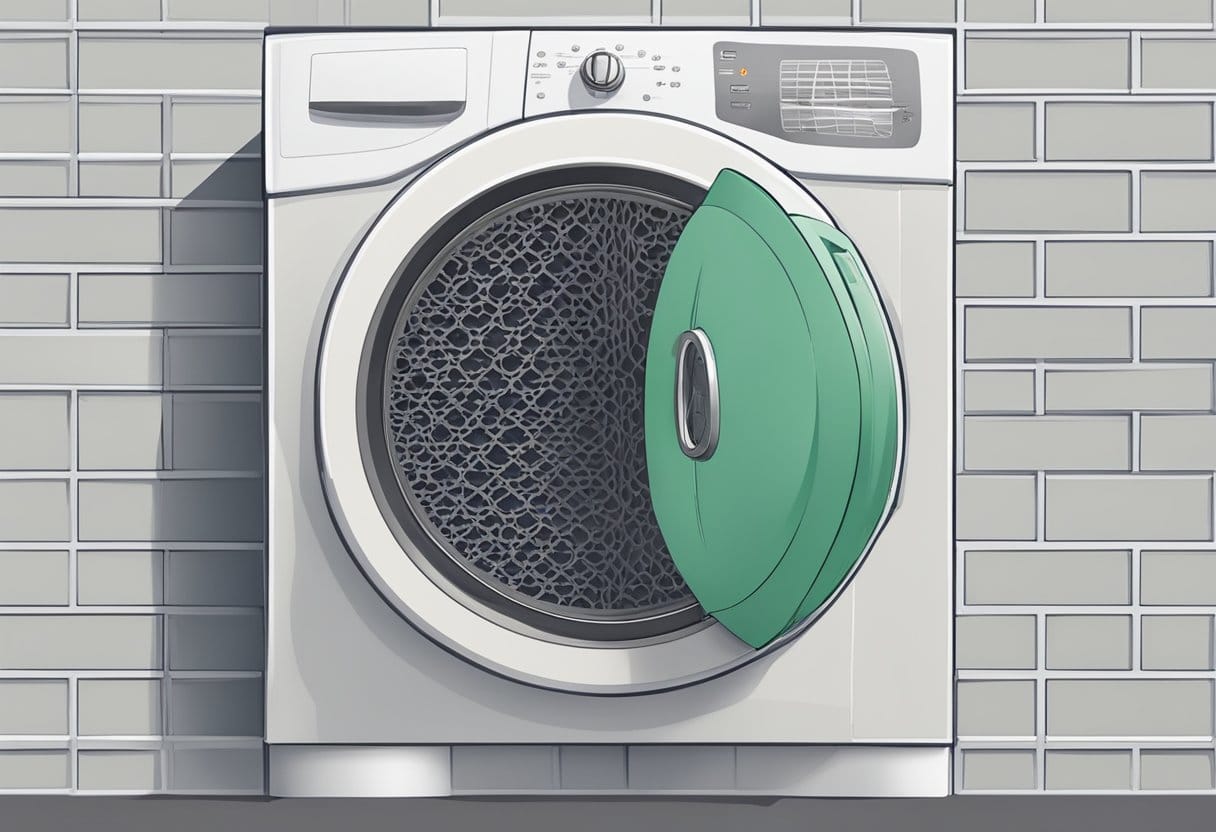
 

How Long Does It Take to Clean Gutters: A Comprehensive Guide for Homeowners

How Long Does It Take to Clean Gutters | Totally Maintained

Cleaning your gutters is an essential home maintenance task that can prevent costly repairs down the line. On average, it takes between 30 minutes to 3 hours to clean gutters, depending on the size of your home and the amount of debris present. Regular gutter cleaning helps to ensure that water flows freely, protecting your roof and foundation from water damage.

If you decide to tackle this task yourself, a typical single-story home may take about 1 to 2 hours, while larger homes or those with complex gutter systems will require more time. Hiring professionals can significantly reduce this time, often allowing for a thorough cleaning within just half an hour to an hour.

Understanding the time commitment involved will help you plan your maintenance schedule effectively. By staying on top of this task, you can extend the lifespan of your gutters and reduce the risk of damage to your home.

Understanding Gutter Cleaning

Maintaining your gutter system is essential for preventing various home issues. A well-kept gutter system can protect your home from water damage and foundation problems. Understanding the benefits and risks associated with gutter maintenance will help you ensure your home stays safe and sound.

Benefits of a Well-Maintained Gutter System

Regular cleaning and maintenance of your gutters offer several advantages. First, it prevents water damage by ensuring that rainwater flows freely away from your home. This is crucial for avoiding issues like damp walls and mold growth, which can lead to health risks.

Secondly, well-maintained gutters protect your foundation. When gutters are clogged, water can pool around your foundation, causing cracks and destabilization over time. This can lead to expensive repairs.

Finally, keeping your gutters in good shape enhances the longevity of your roof. Routine maintenance can extend its lifespan, saving you money on early replacements.

Common Problems with Clogged Gutters

Clogged gutters can lead to serious repercussions for your home. Water accumulation in the gutters can become heavy and may cause them to sag or pull away from the structure. This can distort the gutter system, necessitating repairs or total replacement.

Additionally, ignored debris can lead to overflow, directing water into areas where it can cause damage. Water may seep into the walls or leak into the basement, resulting in costly repair bills.

Moreover, clogged gutters can become a breeding ground for pests such as mosquitoes and rodents, creating further issues for your home and health. Keeping your gutters clear will mitigate these risks and promote a healthier living environment.

Preparation for Gutter Cleaning

Proper preparation is essential for an effective gutter cleaning process. Focusing on safety and assessing the condition and accessibility of your gutters can significantly impact the outcome.

Safety Precautions and Equipment

Before you begin, ensure you’re equipped with the right safety gear. This includes:

  • Sturdy Ladder: A ladder should extend at least three feet above the gutter line for safe access.
  • Safety Harness: Use a harness when working at heights to prevent falls.
  • Gloves: Protect your hands from sharp debris and allergens by wearing thick gloves.
  • Safety Glasses: Shield your eyes from dirt and falling debris with safety goggles.

When cleaning, maintain safe practices. Have someone assist you while on the ladder. If using a power washer, ensure you follow the manufacturer’s instructions to avoid accidents. Inspect the immediate area for overhead hazards like power lines, branches, or unstable ground. Being cautious helps ensure a smooth and safe cleaning experience.

Assessing Gutter Accessibility and Condition

Evaluate how accessible your gutters are before proceeding. Check your home’s height and layout. If the roof is steep or there are obstacles like trees, you might need specialized tools or professional help.

Next, inspect the overall condition of the gutters. Look for:

  • Clogs: Are there visible blockages of leaves or debris?
  • Rust: Is there any sign of rust or corrosion, indicating severe wear?
  • Alignment: Are the gutters sagging or misaligned?

Identifying these issues in advance can help you determine the necessary steps to take during cleaning. This preparation can save time and ensure a more effective cleaning session.

Gutter Cleaning Process

Cleaning your gutters involves a systematic approach to ensure they are free of debris and functioning properly. This process includes removing clogs and flushing out the system, both vital for preventing water damage and maintaining the integrity of your home.

Removing Debris and Clogs

Begin by safely positioning a sturdy ladder against your house. Use gloves to protect your hands as you manually remove debris, such as leaves and twigs, that have accumulated in the gutters. It’s important to inspect for clogs that may block the downspouts.

If debris buildup is significant, consider using a scoop or a trowel for efficient removal. For stubborn clogs further down the downspouts, a plumber’s snake can be useful. You may also opt for a pressure washer to dislodge heavy debris, ensuring that water flows freely.

Ensure to collect removed debris in a bucket for easy disposal. Cleaning your gutters at least twice a year helps prevent more extensive buildup and maintains optimal drainage.

Flushing Gutters with Water

After clearing the gutters of debris, it’s crucial to flush the system with water. This step verifies that the gutters and downspouts are functioning properly. You can use a garden hose for this task.

Start at the opposite end from the downspout and let water run through the gutters. Observe how the water flows; it should move smoothly to the downspout without pooling. In case of any clogs that remain, use a garden hose attachment to create a more powerful stream of water.

If you have clogs that persist, a pressure washer can help to break up stubborn blockages. Regularly flushing your gutters can prevent water damage, protect your foundation, and extend the lifespan of your gutter system.

Time Factors in Gutter Cleaning

Several key factors influence the time needed for effective gutter cleaning. Understanding these can help you plan and prepare adequately for the task. Below are the most significant aspects to consider.

Home Size and Gutter Length

The size of your home directly affects the cleaning time. Larger homes typically have more linear feet of gutters, which means more area to cover during cleaning. For instance, a 2,000-square-foot home with a moderate roof will take significantly less time compared to a 5,000-square-foot home.

In general, the greater the length of the gutters, the longer it will take to clean them. If your home has multiple stories, increased time is necessary for safety and navigating the height. A simple rule of thumb is:

  • Single-story home: 1-2 hours
  • Two-story home: 2-3 hours
  • Larger homes (over 5,000 sq. ft.): Up to 3 hours or more

Rooftop Characteristics

The characteristics of your roof play a significant role in gutter cleaning efficiency. The slope of the roof, as well as its material, can affect how much debris collects in the gutters. Steeper roofs may cause more debris to wash into the gutters during rainfall.

If your roof has features like valleys or overhangs, cleaning may take longer due to the accumulation of leaves and other materials. For example, a complex roof design with multiple angles might require extra attention, thereby increasing overall cleaning time.

Additionally, roof types such as asphalt shingles versus metal can impact debris accumulation, with some materials being more prone to shedding.

Amount of Debris and Gutter Guards

The amount of debris in your gutters is a critical factor in determining cleaning time. If the gutters are heavily clogged with leaves, twigs, or dirt, the task will require more effort and time. A thorough inspection is important prior to cleaning to gauge the extent of the blockage.

Gutter guards can significantly affect the cleaning duration. While they help reduce debris accumulation, some guards may trap smaller particles, leading to more frequent cleanings. If you have guards installed, assess their condition; if they are not maintained, they might complicate the cleaning process.

  • Light debris: 30 minutes to 1 hour
  • Heavy debris: 1-2 hours
  • With gutter guards: One hour, depending on the type and condition

Understanding these time factors will enable you to manage your gutter cleaning more effectively.

Enhancing Gutter Cleaning Efficiency

To maximize the efficiency of gutter cleaning, utilizing the right tools and establishing a routine maintenance schedule are essential. These practices can significantly reduce cleaning time and improve overall effectiveness.

Tools and Innovations in Gutter Cleaning

Investing in the right tools can transform your gutter cleaning experience. Consider using leaf blowers equipped with attachments that allow you to clear debris quickly. This method is particularly effective for light clogs and leaves.

Another option is a dry vacuum specifically designed for gutters. This tool can easily suck up dirt and debris without the need for ladders. Many models come with long hoses, enabling you to clean hard-to-reach areas safely.

Additionally, incorporating gutter guards can minimize debris accumulation, reducing cleaning frequency. These preventive measures can streamline the process, making it less time-consuming in the long run.

Adopting Regular Gutter Maintenance

Establishing a routine gutter maintenance schedule is crucial. Cleaning your gutters at least twice a year—once in the spring and once in the fall—can prevent major clogs and water damage.

You can enhance maintenance efficiency by inspecting gutters monthly for any buildup. If you notice debris starting to accumulate, address it promptly. This proactive approach helps prevent future problems and reduces the time needed for cleaning sessions.

Lastly, using services from companies specializing in preventive maintenance can save you time. These experts will ensure your gutters remain clear and functional, allowing you to focus on other important home maintenance tasks.

Professional Gutter Cleaning Services

When considering gutter cleaning, professional services offer efficiency and expertise that can save you time and ensure proper maintenance. Understanding how to choose the right service and differentiating between DIY and professional options is key to making an informed decision.

Choosing Professional Services

Selecting the right professional gutter cleaning service requires assessing your specific needs and the company’s reputation. Look for providers that specialize in gutter maintenance and have positive customer reviews.

Consider asking about their experience, services offered, and any warranties. A good service will also conduct a thorough inspection of your gutters and discuss any necessary repairs.

Additionally, inquire about the equipment they use. Advanced technology can improve the cleaning process, ensuring your gutters are free from debris. Choose a provider that can offer flexible scheduling to fit your busy lifestyle.

DIY vs. Professional Cleaning

Deciding between DIY gutter cleaning and hiring professionals comes down to time, safety, and effectiveness. While DIY cleaning can save money, it often requires more time and effort, especially for larger homes.

Professional gutter cleaning services can usually complete the job in 30 minutes to 3 hours, depending on your home’s size. This time-saving aspect is essential if you have a busy schedule.

Safety is another crucial factor. Professionals are trained to handle the risks associated with ladder work and debris removal. They often carry insurance, protecting you from potential liability. Ultimately, weigh the costs and benefits to determine what fits your needs best.

Frequently Asked Questions

Gutter cleaning involves specific considerations regarding time, safety, and efficiency. Understanding these details can help you maintain your gutters effectively and avoid potential issues.

What is the average time required to clean gutters?

The average time needed to clean gutters varies based on several factors, including the size of your home and the amount of debris present. Typically, for a small home, it may take about 20-30 minutes if there is little debris. Larger homes can take 2-3 hours depending on the conditions and accessibility.

What is the recommended frequency for cleaning gutters in an area with few or no trees?

If you live in an area with few trees, it is generally advisable to clean your gutters at least twice a year. This schedule helps prevent buildup of dirt and debris while ensuring they remain functional through varying weather conditions.

What are the best practices for cleaning gutters safely from the ground?

To clean gutters safely from the ground, you can use a gutter cleaning tool attached to a pole, allowing you to reach up without climbing. Consider using a high-powered leaf blower or vacuum to remove debris efficiently without the need for ladders.

During which months is it most ideal to schedule gutter cleaning?

The most ideal times to schedule gutter cleaning are in the spring and fall. Cleaning after the leaves fall in autumn and before the spring rains helps prepare your gutters for optimal performance throughout the year.

What are efficient techniques to speed up the gutter cleaning process?

To speed up the gutter cleaning process, consider using a professional service equipped with specialized tools. Employing a leaf blower, for example, can quickly remove loose debris. Regular maintenance reduces the time spent during each cleaning.

What safety precautions should be taken when cleaning gutters to avoid walking on the roof?

When cleaning gutters, use sturdy ladders and follow safety guidelines to prevent falls. Always have someone nearby to help stabilize the ladder. If you must access a roof, ensure it is dry and free from debris to minimize slip hazards.


How to Stop Dryer Lint from Blowing Outside: Effective Solutions for a Cleaner Home

How to Stop Dryer Lint from Blowing Outside | Totally Maintained

Dealing with dryer lint blowing outside can be both frustrating and concerning. To stop this issue, ensure your dryer vent is clear of blockages and regularly maintained. Lint buildup not only disrupts the efficiency of your laundry process but also poses a fire risk if left unattended.

Regular cleaning of the lint trap after each use is essential, as is the maintenance of the dryer vent itself. Clogged vents can lead to increased lint escaping outside, making it crucial to schedule routine cleaning. By taking these preventive measures, you can keep your laundry area safer and more efficient while extending the lifespan of your dryer.

It’s important to remember that accumulating lint can create a hazardous environment. Keeping airflow clear helps prevent both the inconvenience of excessive lint and the potential for fire hazards. Proper care of your dryer and its vent will ensure your laundry tasks run smoothly.

Understanding Dryer Lint and Ventilation

Dryer lint plays a crucial role in the laundry process and understanding how it interacts with your dryer’s ventilation system is essential for maintaining efficiency and safety. Proper management of lint and airflow can prevent issues that affect your dryer’s performance and reduce the risk of fire hazards.

The Role of Lint in Laundry

Lint is formed from the fibers of clothing that shed during the drying process. As clothes tumble in the dryer, these tiny fibers gather in the lint trap and the dryer vent. Regularly clearing the lint trap is vital, as neglecting it can lead to lint accumulation and obstruct airflow.

Not only does a clogged lint trap diminish drying efficiency, but it can also increase energy costs. This accumulation in the dryer vent can pose serious fire risks, making routine maintenance imperative for both safety and efficiency.

How Dryers Ventilate

Dryers use a ventilation system to expel moist air and lint generated during drying. The dryer vent allows hot, humid air to escape while maintaining an effective airflow throughout the cycle. This process relies on proper installation and maintenance to function effectively.

To ensure optimal performance, check for lint buildup in the vent. A clean vent will facilitate better air circulation, improving drying times and energy efficiency. Additionally, consider using a high-quality lint filter to capture more lint before it reaches the vent, enhancing the overall ventilation process. Regular inspections and maintenance can significantly reduce issues related to venting and lint.

Reducing Lint Production and Accumulation

Managing lint production and accumulation is essential to maintaining your dryer’s efficiency. Implementing proper techniques can help reduce lint that escapes outside, improving safety and performance.

Proper Usage of Dryers

To prevent excessive lint production, use your dryer correctly. Avoid overloading the dryer, as this can cause clothes to become tangled, increasing friction and releasing more lint. Instead, dry smaller loads to allow adequate space for tumbling.

Additionally, ensure your dryer operates at the right settings for the type of fabric. Different materials release varying amounts of lint. For example, cotton and towels tend to produce more lint than synthetic fabrics. Adjusting the settings accordingly can minimize lint build-up.

Laundry Tips to Prevent Lint

Incorporating specific laundry practices can significantly reduce lint. Start by using fabric softeners, which can help coat fibers and lessen lint shedding. You might also consider adding dryer sheets to your drying cycle for extra protection against lint production.

Pre-treating clothes is another way to lessen lint. Shake out garments before washing to remove loose fibers. Use a lint roller on your clothes before they go into the dryer for added prevention. Lastly, washing clothes inside out can help shield the outer layer from friction caused by other items.

Choosing High-Quality Dryers

Selecting a high-quality dryer is vital in reducing lint production. Look for models with advanced lint filtration systems designed to capture more lint before it escapes through the vent.

Features such as moisture sensors are also beneficial as they can optimize drying cycles, reducing wear on fabrics and significantly minimizing lint creation. Investing in a dryer with strong airflow will enhance lint capture and prevent blockages in the vent. Ultimately, a well-designed dryer contributes to a cleaner, safer drying process.

Regular Dryer Maintenance

Maintaining your dryer is essential to prevent lint from blowing outside. Regular upkeep enhances performance and reduces fire risks associated with lint buildup. Here are key maintenance tasks to consider.

Cleaning the Lint Trap and Filter

You should clean the lint trap after each use. Accumulated lint not only reduces airflow but also increases drying time, which can wear out your appliance faster. To clean, simply remove the lint screen from the dryer, and use your fingers or a brush to remove lint.

Additionally, wash the lint screen occasionally with warm soapy water to eliminate residue, which can hinder airflow. Ensure the screen is completely dry before reinstalling it.

In combination with cleaning the lint trap, checking the dryer’s exterior vent is vital. If lint is blowing outside, inspect the vent for blockages, as these can prevent efficient drying and create hazards.

Scheduling Dryer Vent Cleanings

You should regularly schedule professional dryer vent cleaning at least once a year. Over time, lint can accumulate in the ductwork, making it less effective and increasing fire risks.

Using a specialized dryer vent brush, professionals can thoroughly clean the ducts, ensuring nothing obstructs airflow. This service helps maintain your dryer’s efficiency, allowing it to operate safely and effectively.

You may also consider incorporating dryer vent cleaning into an overall maintenance routine for your home. Many companies offer bundled services, allowing you to coordinate vent cleaning along with other tasks, such as pressure washing or window cleaning, making maintenance easier and more efficient.

Enhancing Dryer Efficiency and Safety

Improving dryer efficiency and safety starts with addressing lint buildup and ensuring proper airflow. By maintaining these aspects, you reduce the risk of fire hazards and enhance the overall performance of your dryer.

Avoiding Lint Buildup Dangers

Lint buildup is a significant concern that can lead to fire hazards. Regularly check your dryer vent and lint trap for accumulated lint. Blocked vents restrict airflow, increasing drying time and energy costs.

It is essential to clean your lint trap after each use. Additionally, a thorough cleaning of the entire vent system at least once a year is crucial. Using a vacuum or a professional service can ensure all hidden lint is removed.

Taking these steps not only prevents fires but also helps maintain the dryer’s efficiency. A well-maintained dryer can last longer and perform better, saving you money on energy bills and repairs.

Improving Airflow and Efficiency

To improve airflow, make sure your dryer vents are properly installed and free of obstructions. Evaluate the length and angle of your dryer vent; longer or overly twisted vents can hamper airflow. Short, straight vents are most effective.

Consider using vent covers that allow lint to escape while preventing animals from entering. Regularly cleaning the vents will keep the airflow unobstructed. This practice helps your dryer work more efficiently and can significantly shorten drying times.

Additionally, using the right dryer settings for your load type can maximize efficiency. Overloading the dryer can impede airflow and strain the appliance, reducing its lifespan.

Dryer Safety Considerations

Safety should be a top priority when using your dryer. Install smoke detectors in the laundry area to alert you to any fire risks. Ensure that your dryer is plugged into an appropriate electrical outlet and that the cord is in good condition.

Always follow the manufacturer’s instructions for use and maintenance. Avoid drying items that contain flammable materials or heavily soiled with substances like grease.

Moreover, consider scheduling routine professional maintenance to check for potential issues like vent blockages or electrical problems. Regular attention to these details can greatly enhance both the safety and efficiency of your dryer, reducing the risk of dryer fires significantly.

Advanced Solutions for Lint Management

Managing dryer lint effectively requires advanced strategies that enhance safety and efficiency. Implementing secondary lint traps and understanding the differences between indoor and outdoor vent systems can significantly reduce lint buildup and fire hazards.

Secondary Lint Traps

secondary lint trap can significantly enhance your lint management system. Installing one in the dryer duct captures additional lint that escapes the primary filter. This is especially useful if you frequently overload your dryer.

Key benefits of secondary lint traps include:

  • Increased Safety: Reduces the risk of lint buildup in the ductwork.
  • Improved Efficiency: Helps the dryer run more efficiently, reducing energy costs.

To install a secondary lint trap, consider purchasing a model that fits your existing ductwork. Ensure proper maintenance by checking it regularly and cleaning it out as needed. This simple addition can lead to substantial improvements in your dryer’s performance.

Indoor vs. Outdoor Vent Systems

Understanding the differences between indoor and outdoor vent systems is crucial for effective lint management.

Outdoor dryer vents are designed to expel lint and moisture outside, minimizing indoor air quality issues. Ensure your outdoor vent has a proper flap to prevent backdrafts. Regular inspections are vital to avoid lint accumulation.

Indoor dryer vents, on the other hand, recycle air within the room, which can lead to excessive lint buildup indoors. They are generally less effective in moisture removal, which can contribute to mold growth.

  • For Outdoor Vents: Inspect and clean them regularly to ensure they operate effectively. Look for clogs and lint buildup that could cause hazards.
  • For Indoor Vents: If you must use one, consider those equipped with built-in filters to capture lint before recirculating air.

Choosing the right system based on your home’s layout and needs is essential in managing lint effectively.

Frequently Asked Questions

Preventing dryer lint from blowing outside involves a combination of effective maintenance and proper equipment. Understanding the best practices can significantly enhance your dryer’s performance and safety.

What are the best ways to prevent lint from escaping an outdoor dryer vent?

To prevent lint from escaping, ensure your lint trap is clean before each load. Additionally, regularly inspect and clean your dryer vent system to avoid blockages. Using a vent hood with a proper opening can also minimize lint escape.

How can I effectively clean my dryer vent to reduce lint build-up?

Cleaning your dryer vent involves detaching the vent from the dryer and using a vacuum or dryer vent cleaning kit to remove lint. Consider professional cleaning at least once a year to maintain optimal airflow and reduce fire risks.

Can a secondary lint trap enhance my dryer’s efficiency and reduce outdoor lint dispersion?

Yes, installing a secondary lint trap can capture more lint before it reaches the outdoor vent. This device provides an extra layer of filtration, helping to maintain your dryer’s efficiency and decreasing lint blowout.

Are there specific designs for outdoor dryer vent lint traps that are most effective?

Outdoor dryer vent lint traps with flaps or doors that close when the dryer is off can be particularly effective. These designs prevent outside air and debris from entering while still allowing lint to exit during operation.

What techniques are available to secure a dryer vent and minimize lint blowout?

Using metal ducting secured with clamps can minimize lint blowout. Additionally, sealing joints with foil tape and ensuring the vent is free of kinks or sharp bends will help maintain proper airflow and reduce lint escape.

Is it possible to vent a dryer indoors to avoid lint issues outside, and how can this be done safely?

While venting indoors can avoid outdoor lint issues, it can create moisture problems. If you choose this route, use a ventless dryer or install an indoor lint trap that filters and collects lint before releasing air into your home. Regular maintenance is essential to prevent moisture buildup.


How to Get Gutters White Again: Effective Cleaning Tips and Techniques

How to Get Gutters White Again | Totally Maintained

Cleaning your gutters can seem like a daunting task, especially when they are stained and discolored. With the right techniques and solutions, you can easily make your gutters white again, restoring their appearance and functionality. Regular maintenance is essential to keep your home looking its best, and this includes addressing those unsightly stains on your white gutters.

To clean stained white gutters effectively, you can utilize both homemade and commercial cleaning solutions. Using ingredients like vinegar or cream of tartar can yield excellent results without harsh chemicals. Knowing how to properly approach this task not only enhances your home’s curb appeal but also helps prevent potential damage caused by clogged or dirty gutters.

By taking the time to restore your gutters, you invest in the longevity of your home’s exterior. A clean finish can make a significant difference, promoting better water flow and reducing the risk of leaks or overflows. Get ready to tackle those stains and bring your gutters back to their original brightness.

Essentials of Gutter Maintenance

Maintaining your gutters is crucial for ensuring proper water drainage and preventing damage to your home. Key aspects include regular inspections and proactive measures to keep gutters functioning effectively.

Regular Inspection and Cleaning

You should conduct regular inspections of your gutters at least twice a year. Look for signs of damage, debris buildup, or misalignment. Clearing debris like leaves and twigs from both gutters and downspouts ensures water flows freely.

Equipped with a sturdy ladder, you can safely check for clogs. Use a garden trowel to scoop out debris and a bucket for collection. For stubborn stains, you may consider using a cleaning solution specifically designed for gutters.

After cleaning, inspect the integrity of your gutters. Look for rust spots or cracks. Addressing these issues early can prolong gutter life and prevent costly repairs later.

Preventive Measures for Gutter Care

To keep your gutters in top shape, consider installing gutter guards. These guards prevent debris from entering while allowing water to flow through. This reduces the frequency of cleaning and minimizes clogs.

You can also ensure that downspouts are directed away from your home’s foundation. This helps to prevent pooling water and erosion around your property. Regularly check that downspouts are clear of obstructions.

Additionally, make sure that your gutters are securely attached and sloped correctly. A slight angle encourages optimal water flow. Regular maintenance, including the installation of gutter guards, can significantly extend the lifespan of your gutter system.

Preparing for Gutter Cleaning

Before you begin cleaning your gutters, it’s essential to ensure you have the right equipment and safety measures in place. Proper preparation makes the process smoother and helps you achieve better results when restoring the appearance of your gutters.

Safety and Equipment

Your safety is paramount when cleaning gutters. Start by gathering essential equipment such as a sturdy ladder, gloves, and safety goggles. Ensure your ladder is stable and placed on even ground. Consider using a ladder stabilizer to prevent slipping.

For cleaning, you may also want a scoop to remove larger debris and a bucket to collect leaves and dirt. If your gutters are particularly stained, a pressure washer can be effective but should be used with caution to avoid damage. Always wear gloves to protect your hands from sharp debris.

Creating Your Cleaning Solution

Homemade cleaning solutions can be effective for brightening stained gutters. A simple mix involves combining one cup of bleach with four cups of water in a spray bottle. This solution works well on stubborn stains.

For vinyl gutters, mix Dawn liquid detergent with half a cup of bleach and two gallons of warm water for a strong yet safe cleaner. Apply your chosen solution using a sponge or spray bottle, allowing it to sit for about 10 minutes before rinsing with water. Ensure that you avoid mixing different cleaning agents as this can create harmful fumes.

Effective Gutter Cleaning Techniques

Maintaining white gutters requires effective cleaning techniques to remove stains and debris. These methods ensure that your gutters look good and function properly, preventing further issues.

Hand Cleaning vs. Pressure Washing

Hand cleaning is a straightforward method that works well for areas with lighter stains. Using a scrub brush along with warm water and a mild detergent like Dawn liquid detergent can effectively lift grime. Combine this with a bucket to capture debris as you clean.

Pressure washing is suitable for tougher stains and larger debris. A pressure washer can quickly remove built-up dirt. Set it to a moderate pressure to prevent damage to your gutters. When using this method, direct the nozzle at a downward angle to ensure water flows out of the downspouts.

Using Chemical Solutions

Chemical solutions can enhance the effectiveness of your cleaning. A common choice is a mixture of vinegar and bleach in water. Vinegar acts as a natural cleaning agent, while bleach helps to disinfect and remove tough stains. Mix equal parts and apply it directly to stained areas, allowing it to sit for a few minutes before rinsing.

You can also find commercial gutter cleaning solutions that are specifically formulated for white gutters. Read the instructions carefully for proper use and safety precautions. Always wear gloves and eye protection when handling chemicals, ensuring safety while cleaning.

Rinsing and Checking for Leaks

After cleaning, rinsing the gutters is vital. Use a hose with a spray nozzle to wash away any remaining debris and cleaning solution. Make sure water flows freely through the downspouts.

During rinsing, take the opportunity to check for leaks or blockages. If you discover any issues, note them for repair later. Regular maintenance can help you catch small problems before they become costly repairs, ensuring the longevity of your gutters.

Special Considerations for White Gutters

Maintaining the appearance of white gutters requires special attention to stubborn stains and safe cleaning methods. Here are important strategies for effectively restoring your gutters while ensuring their longevity.

Tackling Stubborn Stains

Stained white gutters often result from dirt, algae, and mildew buildup. For vinyl gutters, a mixture of Dawn liquid detergent and water can be effective. Mix a few drops of the detergent in a bucket of warm water, then scrub with a soft brush to avoid scratching the surface.

For more persistent stains, consider using cream of tartar. Create a paste by mixing cream of tartar with water, applying it to the stained areas, and letting it sit for a few minutes before scrubbing. Another option is TSP-PF (trisodium phosphate) mixed with water, which can dissolve tough grime.

Always test any solution in a small, inconspicuous area first to ensure it doesn’t cause discoloration. Regular cleaning can prevent stains from becoming deeply embedded.

Whitening Gutters Safely

When you want to whiten your gutters, avoid harsh chemicals that can damage them. Homemade gutter cleaning solutions are beneficial and less risky. A common recipe includes a mix of vinegar and baking soda, creating a foaming action that lifts dirt effectively.

You should also use a pressure washer with caution. Adjust the pressure to a lower setting to avoid damaging the gutter material. Aim to keep the nozzle at least 12 inches away from the surface.

Additionally, always wear gloves and goggles for safety when handling cleaning products. Regular maintenance not only keeps white gutters looking fresh but also extends their lifespan, reducing the need for frequent replacements.

Enhancing Exterior Aesthetics and Curb Appeal

Keeping your gutters white again plays a significant role in improving your home’s curb appeal. Clean gutters not only enhance the overall look but also contribute to maintaining the integrity of your property. Here are two essential aspects to consider.

Restoring Original Whiteness

To restore the original whiteness of your gutters, start with a thorough cleaning process. Use a mixture of water and a mild detergent or specialized gutter cleaner. This solution can effectively break down the dirt and grime accumulated over time.

For stubborn stains, a soft brush or sponge can work wonders. Be cautious with abrasive materials, as they may scratch the surface.

After cleaning, rinse thoroughly with a pressure washer or a hose, ensuring all residues are eliminated. If discoloration persists, consider using a diluted vinegar solution for tougher stains. Regular maintenance is key—clean your gutters at least twice a year to prevent them from becoming dirty again and to enhance your home’s aesthetic.

Final Touches for a Polished Look

After cleaning, adding final touches can elevate the appearance of your gutters and overall exterior. Apply a protective coating specifically designed for gutters, which can help keep them looking pristine longer.

You might also want to check the hardware of your gutters. Replace any rusted or damaged brackets and screws to ensure your gutters hang neatly.

Landscaping plays a crucial role as well. Trim bushes or trees that may overhang, as this reduces debris accumulation and keeps your gutters cleaner.

By incorporating these final touches, you not only improve the look of your gutters but also enhance your home’s curb appeal, making it more inviting.

Frequently Asked Questions

Maintaining the appearance of your gutters can be simple with the right techniques and tools. The following questions address effective methods, suitable cleaning agents, and necessary equipment to restore your gutters to their original white finish.

What is the best method to clean exterior gutters from the ground?

Using a gutter cleaning wand attached to your hose can effectively reach and clean gutters from the ground. This tool allows you to spray water at a high pressure, helping to dislodge debris and dirt without the need for climbing.

Can pressure washers be used to effectively clean outside gutters?

Yes, pressure washers can be used to clean gutters, but it’s essential to use a wide spray nozzle to avoid damaging them. Maintain a safe distance and keep the pressure moderate to ensure effective cleaning without causing harm.

Which gutter stain remover is most effective for whitening gutters?

Products like Gutter Grenade and Gutter Zap are popular choices for whitening gutters. These concentrated cleaners are specifically designed to tackle tough stains and are easy to use, providing impressive results.

Is vinegar a suitable cleaning agent for the exterior of gutters?

Vinegar can be an effective cleaning agent for gutters, particularly for lighter stains. Mix it with water and apply it to the stained areas to help break down grime naturally.

What ingredients are in a homemade gutter cleaning solution?

A simple homemade solution can be made with baking soda and vinegar. Combine these two ingredients to create a paste that can be applied to stained areas, allowing it to sit for a while before rinsing.

What tools are needed to clean gutters without climbing a ladder?

To clean gutters without a ladder, you can use a gutter cleaning wand, extendable pole brushes, or a wet/dry vacuum with extendable hoses. These tools allow you to reach and clean high gutters safely from the ground.